Christian mindfulness apps: criteria for spiritual growth
We live in a time of profound spiritual hunger meeting unprecedented digital distraction. The longing for a moment of quiet, for a word of Scripture to anchor a frantic day, is real and pressing.
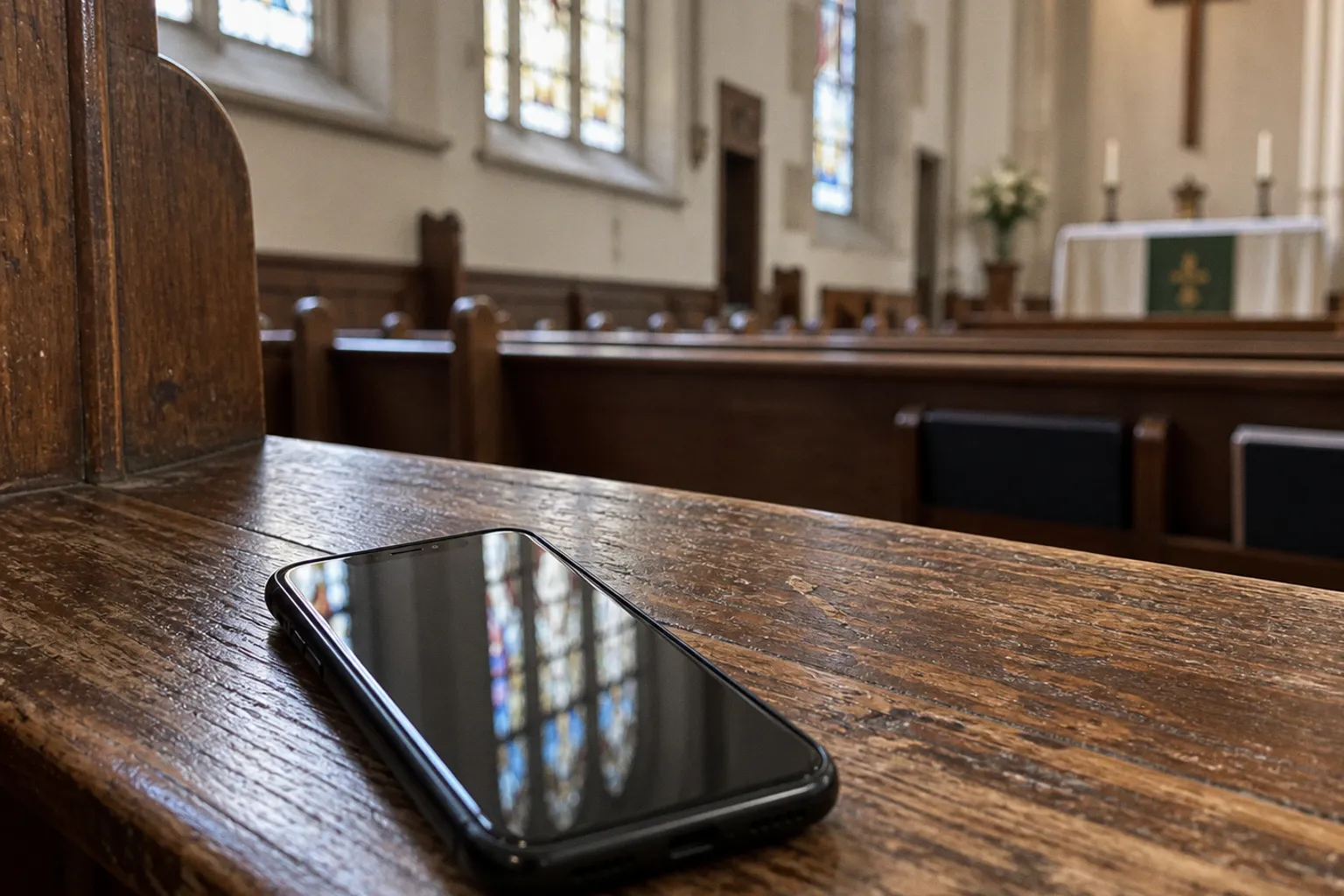
Christian Mindfulness Apps: A Pastoral Guide to Choosing Tools for Spiritual Growth
For many of us, the ancient rhythms of prayer and meditation now compete with the endless scroll, and in that tension, a new category of tools has emerged: the Christian mindfulness app. These are not just wellness platforms with a veneer of faith; they are spaces where technology attempts to serve the soul’s deepest need for connection. Yet, as with any tool, their value lies in how they are held. They can either be a bridge to deeper, embodied faith or another source of noise dressed in sacred language. Our task is to discern wisely.
The Shifting Landscape of Personal Devotion
The practice of carving out space for God is as old as faith itself—Elijah in the cave, Jesus withdrawing to lonely places, the monastic hours of prayer. What has changed is the container. For generations, a physical Bible, a prayer journal, and perhaps a devotional book were the primary companions for this space. Today, that list frequently includes a smartphone. This isn’t a failure of tradition; it’s a change in context. The pastoral reality is that our parishioners—whether they are commuters on a train, parents hiding in a laundry room for three minutes of quiet, or individuals struggling with focus due to anxiety—are reaching for tools that fit the shape of their lives.
Christian mindfulness apps represent an attempt to meet people in that reality. They offer guided audio reflections, Scripture passages read aloud, and structures for meditation that can lower the barrier to entry. For someone who feels paralyzed by how to begin praying, or whose mind races during silent devotion, a gentle, guided session can be a form of grace. This is where the language of holding space becomes relevant: these apps can, at their best, create a digital container that holds our scattered attention long enough for the Holy Spirit to work. They are not the destination, but they can be a meaningful waystation on the journey.
The Theological Test: Is Scripture Central or Decorative?
This is the first and most critical filter for any faith-based app. The danger in the broader mindfulness market is a kind of spiritual syncretism, where biblical language is used as aesthetic flavoring rather than as the foundational source of truth and life. When evaluating a tool, we must ask: Is the Bible the text from which the meditation flows, or is it an inspirational quote sprinkled into a secular framework?
A theologically aligned app will make Scripture its undeniable center. The structure of the meditation will grow out of a specific passage. The prompts for reflection will draw meaning from the biblical text, not just impose a therapeutic concept upon it. For example, a meditation on peace should guide the user into the specific promises of Philippians 4 or the character of God as our Shalom, not merely offer generic affirmations about calm. This is the difference between using Scripture and being formed by Scripture.
When we approach a digital tool for spiritual growth, we must ask whether it is forming us into the image of Christ through His Word, or merely soothing our anxieties with a religious veneer.
We must also be mindful of our own tradition. As Lutherans, we understand that the means of grace—Word and Sacrament—are where God has promised to meet us. Therefore, an app should never be seen as a replacement for congregational worship, personal Bible study, or pastoral care. It is, at best, a supplement that can point us back toward those primary means.
Navigating the Marketplace: A Comparative Look
Not all apps are created equal, and their differences reflect varied theological traditions and approaches. Understanding this landscape helps us choose tools that resonate with our own faith commitments. Let’s consider a few prominent examples.
Abide positions itself as a leading evangelical guided meditation app. Launched in 2013, it has seen significant adoption, with over 20 million downloads. Its core offering consists of daily audio reflections and sleep stories rooted in biblical passages. The sessions are often practical, aiming to connect faith to daily worries and stresses. For many, its strength is its accessibility and its clear, Scripture-based narrative.
Hallow, by contrast, comes from a Catholic contemplative tradition. It features a vast library of over 10,000 audio-guided sessions, including practices like Lectio Divina, the Rosary, and novenas. Its depth is its hallmark, offering a structured immersion into classic Catholic prayer forms. For those from a Protestant background, it can be a rich introduction to historical Christian meditation practices, though its particular devotional forms may feel unfamiliar.
Then there are apps like Still and Glorify, which often position themselves for a broadly Protestant audience, focusing on daily devotionals and guided prayer in a more contemporary style. Practicing Presence offers a minimalist, completely free approach with guided morning meditations and hourly mindfulness reminders, requiring no account or purchase.
Comparative Snapshot: Two Popular Platforms
| Feature | Abide | Hallow |
|---|---|---|
| Theological Root | Evangelical Christian | Catholic |
| Core Content | Guided audio meditations, sleep stories on Scripture | Lectio Divina, Rosary, novenas, Bible stories |
| Session Scale | Typically 10-20 minute guided sessions | Wide range, from 2-minute prayers to 30+ minute retreats |
| Pricing Model | Premium ~$39.99/year | Premium ~$69.99/year |
| Best For | Users seeking straightforward, narrative-based biblical reflection | Users drawn to structured, classic Catholic contemplative prayer |
The Practical Discernment Checklist
Beyond theology, practical factors shape whether a tool will serve us well or become a source of frustration and distraction. These are the questions of stewardship—of our time, attention, and resources.
1. Transparency in Pricing and Privacy: Does the app clearly disclose its subscription terms and cancellation process? Many offer a 7-day free trial, but the path to canceling should be simple. Equally important is data privacy. Where do your prayer journal entries or reflection notes go? Are they stored locally on your device or on the company’s servers? A responsible app will have clear, easy-to-find privacy policies.
2. The Architecture of Attention: How does the app’s design help or hinder focus? Is the interface cluttered with notifications, social features, and upsells? Or is it intentionally simple, guiding you toward a single moment of reflection? The goal is to minimize digital friction, not create new distractions.
3. Content Depth and Breadth: Does the app offer variety that matches your spiritual needs? Some thrive on a single, consistent voice and approach. Others provide a range of guides, from short morning prayers to deep weekend retreats. Look for an app that can grow with you, offering deeper exploration as your practice matures.
4. Community vs. Isolation: While prayer is often personal, it is never solitary. Does the app foster a sense of Christian community, even indirectly? Or does it risk encouraging a fully privatized faith? The best tools acknowledge their limits and frequently encourage engagement with a local church body.
Holding the Tool, Not Being Held by It
The final, and perhaps most crucial, step in evaluation is pastoral self-reflection. We must continually ask: Is this tool serving my participation in the Body of Christ, or is it becoming a substitute for it?
An app can guide us into a Scripture passage, but it cannot offer us the Lord’s Supper. It can prompt us to forgive, but it cannot offer the embodied peace of a reconciling congregation. It can teach us the words of the Psalms, but it cannot share in our tears and our laughter over coffee after the service. The digital devotion has a valuable place in the ecosystem of our spiritual lives, but it is not, and was never meant to be, the ecosystem itself.
The measure of a good Christian mindfulness app is that it leaves us more deeply rooted in God’s Word, more aware of His presence in our ordinary hours, and more desirous of genuine connection with our fellow believers. It should practice resilience with us—acknowledging the finitude of our attention and the brokenness of our schedules—and point us toward the infinite grace that meets us right there. When chosen with discernment and held in proper relationship, these digital tools can become genuine companions on the walk of faith, helping us to practice the presence of God in a world desperately asking for His peace.