Church Community Garden: A Step-by-Step Setup Guide
The empty raised bed behind the fellowship hall sits waiting longer than anyone wants to admit. The soil mix arrived six weeks ago, the lumber was donated in spring, and three families have already asked when the tomatoes will go in.
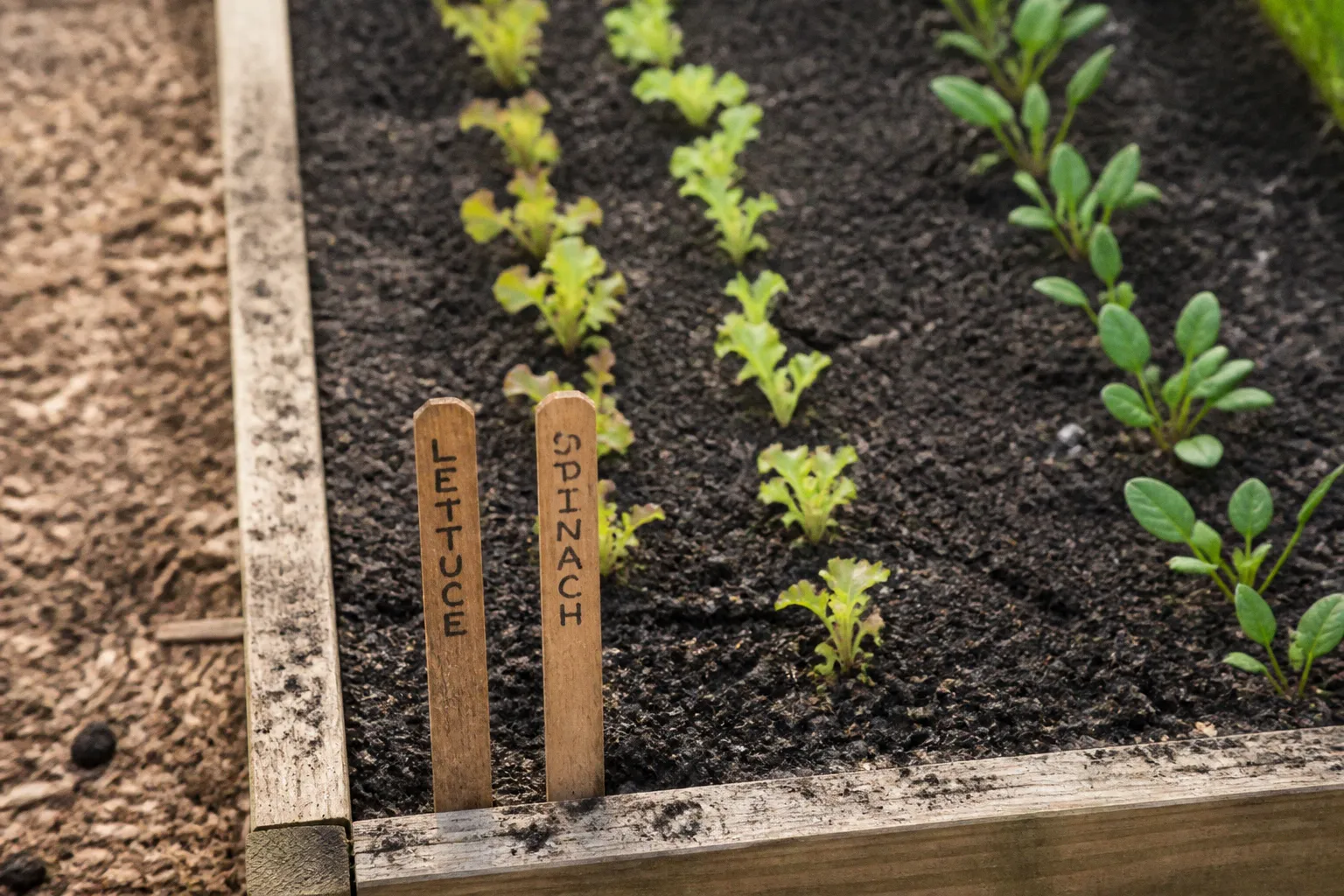
Meanwhile, the council meeting agenda keeps pushing "Garden Ministry Planning" to the next quarter, and the people closest to the project are quietly wondering whether the whole thing is quietly dying. This pattern — enthusiasm outpacing organization — is the most common reason church garden ministries stall before they ever bear fruit.
Starting a church community garden ministry is, at heart, an act of theological formation disguised as horticulture. The work asks us to slow down enough to plan well, to invite the right mix of gifts around a table, and to steward land, time, and liability in ways that protect the people we love. None of that is glamorous, and almost none of it happens by accident. What follows is a methodical walk through the five decisions that matter most — committee, site, design, insurance, and timeline — drawn from extension service guidance and the lived experience of congregations who have done this before us.
Assembling Your Garden Leadership Committee
A garden cannot be carried on the shoulders of one willing volunteer, no matter how gifted. Extension specialists who have watched dozens of community plots succeed or fail tend to converge on the same finding: a dedicated planning committee of between three and ten committed members, with one person designated as the garden coordinator, is the smallest unit that reliably carries a ministry through its first two seasons.
The coordinator's role is not to do all the gardening. It is to hold the calendar, field the questions that arrive in the first enthusiastic weeks, and be the person newcomers can call when they do not know where to find the hose. Think of this as a ministry of presence translated into logistics — someone is reliably there.
When assembling the committee, look for the gifts that gardening actually requires rather than the gifts that look good on a recruiting flyer:
- A person who enjoys spreadsheets and scheduling — the administrator or treasurer type who can keep receipts, track expenses, and remind the group when the soil delivery is coming.
- A person with even modest horticultural experience; someone who has kept a tomato plant alive on a patio already counts.
- A person with connections to the local cooperative extension office, a master gardener program, or a nearby faith-based community garden that has already learned the local soil.
- Two or three people who simply show up reliably and are not afraid of physical labor.
- At least one member of the congregation who has standing among neighbors outside the church walls — a community liaison, especially if the garden is intended partly as outreach to the surrounding area.
A garden ministry is theologically inseparable from the relational soil it grows in, and that soil is built at committee meetings long before the first seed goes in.
A practical caution: do not let the committee swell beyond ten during the planning phase. Decision-making becomes harder, meeting attendance thins, and the coordinator's job shifts from leading to chasing. Five to seven is the sweet spot for most congregations of modest size. If interest runs higher than that, fold the overflow into a wider volunteer list rather than the planning core, and let the core make the actual calls.
Site Selection: Sunlight, Water, and Soil Requirements
Once a committee exists, the second decision is the ground itself. The most common reason a church garden fails in its first year is not bad soil, bad seeds, or bad weather — it is choosing a site that simply does not receive enough direct sunlight. Vegetables are not negotiable on this point: most food crops require a minimum of six to eight hours of direct, unfiltered sunlight per day, across the growing season.
Walk the candidate site four times before committing — once in early morning, once at midday, once in late afternoon, and once across a season, because the angle of the sun shifts substantially between early spring and late summer. A spot that looks bright in March can be deeply shaded by the time tomatoes need it most. The neighbor's silver maple you barely notice in April becomes a wall of shade by July.
Three other site realities are easy to underestimate:
1. Water access. A reliable, consistent water source within reasonable hose distance is not optional. Hand-watering a 1,300-square-foot plot through a July dry spell is the fastest way to burn out volunteers. Investigate whether the church already has an exterior spigot with adequate pressure, whether the water meter can handle the increased use, and whether the local utility will require a separate meter for garden purposes. Costs for water hookups vary widely by municipality, which is one of the few numbers we cannot responsibly estimate here.
2. Soil history. Even when the visible ground looks fine, raised beds are almost always the safer choice for a church lot, because they allow you to start with a known soil mix and avoid the unpredictability of past land use — decades of lawn care, buried debris, or fill of unknown origin. A standard 4-foot by 8-foot raised bed at 16 inches deep requires roughly 1.3 cubic yards of soil and compost mix, which is useful to know in advance when ordering from a landscape supplier.
3. Drainage and grade. Water should not pool against the church foundation. Choose a site that slopes gently away from any building, and avoid low spots where stormwater settles after every rain.
Designing Accessible Raised Beds for All Ages
Raised beds are not merely a stylistic choice for a church garden. They are the single design decision that most powerfully shapes who can participate. A bed that is the right height brings the work within reach of a wheelchair user, a grandparent with stiff knees, and a child short enough that a ground-level bed would be a source of frustration rather than invitation.
Two dimensions matter most:
- Width. Aim for three to four feet across the shorter side. This allows a gardener to reach the center of the bed from either long side without ever stepping into the growing area — which protects soil structure, prevents compaction, and keeps the bed workable by people of varying heights and abilities.
- Height. For accessibility, build beds to 24 inches tall. This brings the soil surface roughly to waist height for an average adult, comfortable for standing work and reachable from a seated position. A bed of this height also means the minimum soil depth is automatically met for most crops.
Soil depth is its own concern. Most common vegetable crops need between six and ten inches of root depth to thrive. Anything less, and you are working against the plant from the start. A 16-inch bed — the kind often chosen for root crops like carrots and parsnips — requires about 1.3 cubic yards of soil mix per 4-by-8 frame, which is worth calculating before the lumber arrives.
Pathways are easy to neglect and matter more than they look. Smooth, firm pathways at least five feet wide allow wheelchair passage, a walker, a wheelbarrow, and two people passing each other without one stepping into the bed. Crushed gravel, decomposed granite, or reinforced wood chips all perform well; loose straw tends to migrate and becomes difficult under wheels.
| Parameter | Recommended Spec | Why It Matters |
|---|---|---|
| Bed width | 3 to 4 feet | Lets gardener reach the center without stepping in |
| Bed height (accessible) | 24 inches | Comfortable from seated or standing position |
| Minimum soil depth | 6 to 10 inches | Root space for most common crops |
| Pathway width | At least 5 feet | Wheelchair and equipment access |
| Soil volume (4x8 bed at 16") | ~1.3 cubic yards | Order accurately, avoid shortage |
A brief pastoral note here, because it bears saying: the choice to build accessible beds is not a side consideration. It is a confession about who belongs in the garden and who does not. When a wheelchair user from the surrounding neighborhood can come and work alongside a teenager from the youth group and a retiree who has worshipped in your sanctuary for forty years, the garden is doing something no sermon can quite accomplish. That accessibility has to be designed in from the beginning. It cannot be added later.
Navigating Liability Insurance and Risk Management
This is the section most committees would prefer to skip. Skip it anyway, and a single twisted ankle during a Saturday workday can become a year-long conversation with an insurance adjuster. The good news is that risk management for a church community garden is well-trodden ground, and the structures already exist.
Standalone community garden liability policies typically offer between $100,000 and $1 million in coverage, with annual premiums for smaller operations starting around $500. For most congregations, however, the more economical path is to add the garden as a covered activity on the church's existing general liability policy. This option is not automatic; it requires a conversation with the church's current carrier, but it is the arrangement many congregations find workable.
In October 2025, Church Mutual Insurance Company introduced tailored liability riders specifically designed for nonprofit garden projects tied to faith groups, offering coverage limits up to $2 million for incidents like slips, trips, and tool mishaps. Around the same time, Travelers updated its community resiliency program to include garden-related coverage. These are worth asking about specifically when the committee calls the broker, because the language of "what is covered" can be surprisingly narrow, and a generic mention of "outdoor ministry" may leave gaps.
A few cautions worth naming plainly, because the temptation to wave them away is strong:
- A liability policy typically protects the organizing entity — in this case, the church — from claims brought by injured third parties. It generally does not protect the individual gardeners themselves from lawsuits they might bring against one another or against the church. That residual risk is real and is another reason committee leadership matters.
- Do not assume that adding a garden to an existing policy is a five-minute phone call. Underwriters vary, and some carriers will want a site plan, a written safety protocol, or a list of tools that will be on site before agreeing to the endorsement. Plan for that conversation to take weeks, not days.
- Document, in writing, the safety practices your committee adopts. Tool-use training, a check-in procedure for volunteers, a written rule against working alone, and a basic incident report form are all simple to create and disproportionately valuable if a claim ever arises.
Insurance is pastoral care in paperwork form — it is the unglamorous work of making sure that a single accident does not undo a season of generosity.
The Six-Month Timeline from Planning to Planting
Most successful church garden ministries run on a planning window of at least six months between the first committee meeting and the first planting day. This timeline is not arbitrary. It allows the slow work of relationship-building, the careful work of site assessment, the procurement of materials on a real budget cycle, and the conversation with the insurance carrier to happen without any single decision being forced by panic.
A worked example, beginning in January for a spring-start congregation:
1. Months one and two (January and February). Form the planning committee, name a coordinator, and hold at least three substantive meetings. The deliverable by the end of month two is a written one-page statement of purpose, a rough site map, and a list of open questions still to answer.
2. Months three and four (March and April). Walk the site in different light conditions. Call the church's insurance carrier to discuss coverage. Order lumber, soil mix, and basic tools. Invite a cooperative extension agent or master gardener to walk the site with the committee. Begin recruiting wider volunteer involvement with a single announcement during worship and a follow-up email.
3. Months five and six (May and June). Build the beds, fill them, and host a community planting day as the kickoff event. Plan a staggered planting schedule so something is always growing and harvestable, which keeps volunteers coming back rather than showing up once and disappearing.
Several pacing choices within this timeline matter more than they first appear. First, do not schedule the build and the planting in the same week. A weekend of construction followed immediately by a public planting day is the recipe for exhaustion and the slow fade-out of the volunteers you most want to retain. Second, plan the first public workday for cool weather if possible — late spring or early fall — because heat is the single fastest way to make a first impression feel like a punishment. Third, build in a dedicated off-season during the first year for the committee to reflect, debrief, and revise before the second planting cycle.
Common pitfalls that emerge when this timeline is rushed:
- Soil mix ordered without measuring, leading to either a shortage halfway through filling beds or a surplus with nowhere to go.
- Tools purchased before a tool-use protocol is written and shared.
- A harvest plan never developed, which means produce ripens in a brief window with no one designated to distribute it. Many congregations partner their gardens with an existing food pantry ministry, a hunger-relief nonprofit, or a neighborhood meal program; making that partnership explicit early prevents the awkward moment of surplus tomatoes and no named recipient.
Bringing It Together: The Slow Work of Rootedness
There is a temptation, once the beds are built and the first tomatoes have set fruit, to declare victory and move on. The wiser move is to recognize that the first growing season is, in many ways, only the end of the beginning. The committee that planned together will need to debrief together. The volunteers who showed up once will need to be invited again, in person, by name. The harvest will need a recipient as much as the planting needed a plan.
What holds a garden ministry together over years is not the original idea. It is the slow accumulation of ordinary moments — a widow learning to grow greens beside a teenage immigrant family, a deacon delivering zucchini to the food pantry, a child eating a carrot she pulled herself and tasting, perhaps for the first time, that vegetables are something humans grew on purpose for one another. None of these moments photograph well. All of them are the substance of the ministry.
If you are standing at the beginning of this work — perhaps with an empty lot and an unsure committee — take heart that the planning itself is a holy act. The conversations about accessibility, the careful work around liability, the measured pace of a six-month timeline — none of it is administrative overhead. It is the embodied patience of a God who plants gardens and waits, who calls us to till alongside one another and trust that the harvest, in its season, will be enough.