Church charity drive mistakes: fixing the junk donation issue
It is one of the quieter burdens of ministry, and rarely the one we plan for. Across the country, charities are quietly hemorrhaging money to dispose of the very items meant to help others.
In 2023, Dove House Hospice paid roughly £45,000 to clear out unsellable donations. Emmaus Village Carlton spends up to £47,000 a year on the same burden. Hospiscare has reported a similar waste-disposal bill of around £32,000 in a recent year, and these are not exceptional cases — they are the visible edge of a pattern that runs through nearly every charitable organization in the country. The pattern repeats itself, in smaller and quieter ways, inside congregations of every size: Sunday-morning generosity arrives in Hefty bags on Monday morning, and by Tuesday, much of it is on its way to the landfill.
The numbers, when we sit with them, are sobering. Only about three in ten items dropped off at a charity actually make it to a shelf or a recipient. The remaining seven are discarded, recycled, or simply hauled away. For a small congregation operating on a tight budget, even a few dumpster-loads of unusable clothing can represent the difference between funding a youth mission trip and shelving it for another year. This is not a story about ungrateful recipients or careless donors. Most people who drop off a bag of old coats are acting out of genuine compassion, often doing the very thing their parents taught them to do. It is, instead, a story about how congregations can better honor both the giver's heart and the receiver's dignity by getting practical about what we ask for, what we accept, and how we receive it.
The Hidden Cost of Unwanted Generosity
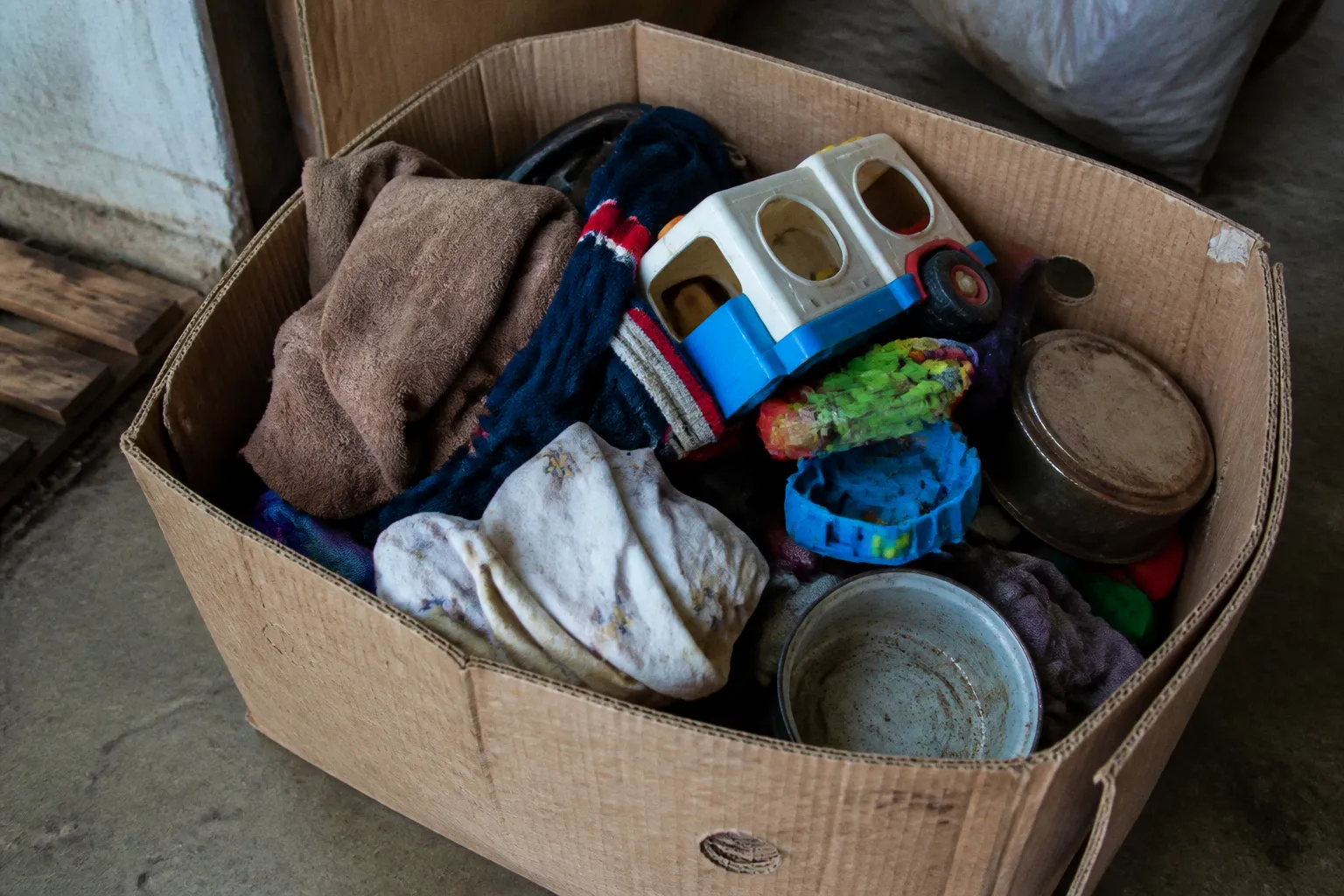
The first step in fixing a broken donation drive is naming the problem honestly, without casting blame. Many of the items arriving at our doors were offered with real kindness. The giver cleaned out a closet, rounded up what was no longer wanted, and assumed the church would find a use for it. The trouble is that what a household no longer wants is often what a charity can no longer use — a couch with a sagging middle, a coffeepot that hasn't worked since the previous decade, a box of children's toys missing critical pieces.
Consider the math that most donors never see. Charities routinely pay hundreds of dollars for a single roll-off dumpster, and a professional junk-removal service can run a household close to $250 on average. That figure is part of why the temptation to "just donate it" runs so deep: getting rid of broken furniture through legitimate channels costs more than most people want to spend, and a church on the corner feels like the kind, neighborly option. When a congregation takes on the donor's disposal problem, it absorbs both the labor and the bill. Multiply that across a year, and the hidden cost of well-meaning gifts can quietly eclipse the visible cost of running a benevolence fund.
Only three in ten charity donations ever reach a shelf. The other seven end up in a dumpster or recycling bin, and the bill for moving them there quietly drains ministry budgets that were meant to feed, clothe, or shelter neighbors in need.
There is also a human cost that does not appear in any ledger. Volunteers — many of them retirees, many of them already stretched thin — spend hours sorting, lifting, and hauling items that should never have been donated in the first place. Sorting rooms become a graveyard of mismatched shoes, single mittens, and broken electronics. People who came to serve end up exhausted and discouraged, which is the opposite of what ministry is meant to do. The faithful response is not to harden our hearts against the giver. It is to make the receiving side gentler, clearer, and more sustainable.
Building a Gift Acceptance Policy That Protects Your Ministry
A Gift Acceptance Policy — sometimes called a GAP — is the single most important document a congregation can write before its next drive. It is not a wall against generosity. It is, instead, a clear and loving boundary that protects the church's time, money, and mission, and it gives volunteers a steady hand to lean on when the day is long and the bags keep coming.
At its simplest, a Gift Acceptance Policy answers four questions in writing:
- What categories of items will we accept? (clothing, food, hygiene items, furniture, and so on)
- What condition must items be in? (new only, gently used, working, sealed, unexpired)
- What items will we never accept, and why? (used car seats, recalled products, items requiring professional disposal)
- How will we handle items we cannot use? (redirect to a partner, refuse at the door, document the policy publicly)
Writing the policy should not fall to one person. Gather two or three ministry leaders — perhaps the pastor, the chair of the outreach committee, and the head of facilities or the custodian — and work through a first draft together. Most denominations, regional ecumenical bodies, and Lutheran district offices have sample templates available, and they are worth requesting. A few hours of careful drafting now will save dozens of hours of difficult conversations later, particularly around Christmas, when the volume of donations tends to spike.
When the policy is in writing, post it. Put a one-page summary on the church website, share it on social media a week or ten days before each drive, and print a clean handout for the entrance and the narthex. People who genuinely care about giving well will read it and adjust their drop-offs. People who are simply looking for a free disposal service will move on, which is exactly the outcome the policy is designed to produce.
Training Your Welcome Team to Receive with Grace
A written policy is only as strong as the people enforcing it. The most important role on any donation day is the greeter at the door — the volunteer who smiles, accepts the bag, opens it, and either thanks the giver warmly or offers a graceful alternative.
This is hard, faithful work. Saying no to a kind person feels like failure. It is not. It is one of the clearest expressions of stewardship a congregation can practice, because every unusable item accepted at the door is a small theft from the ministry it could have funded.
A few principles help volunteers carry the work well:
- Inspect at the point of drop-off. Once a bag is inside the building, the church owns its disposal. A quick visual check at the car, the table, or the loading dock is the single most effective filter a congregation can use.
- Use a kind, practiced script. Volunteers need words they can lean on when they are tired. Something as simple as, "We can only accept items in clean, working condition — would you like me to help you take this back to your car?" preserves dignity on both sides.
- Have a redirect list ready. Build relationships with two or three local partners — a homeless shelter, a women's center, a Habitat for Humanity ReStore, a textile recycler — so that "we can't use this" doesn't mean "we don't know where it should go." When a redirect partner exists, the conversation gets easier for everyone.
- Never toss a usable item into the trash. If something cannot be used by your ministry but is genuinely functional, direct it to a partner. If it cannot be used anywhere, decline it at the door.
The volunteers who do this work deserve training, rest, and recognition. They are not gatekeepers. They are ministers of hospitality, and the difference between a gruff "no" and a warm, clear "not this week, but thank you" is the difference between a church people trust and one they quietly avoid.
A polite "no" offered with genuine warmth is not a failure of hospitality; it is the most faithful form of stewardship a congregation can practice.
Communicating What You Actually Need
Most donation failures are not the fault of the giver. They are the fault of vague communication. "Bring whatever you can" is a recipe for a dumpster. "Bring new, unopened bed pillows in original packaging" is a recipe for shelves that empty quickly. The clearer we are about what we need, the better our donors respond.
A well-built wish list is one of the most underrated tools in community ministry. It does three things at once: it tells donors exactly what will help, it teaches the community that not all gifts are equal, and it dramatically reduces sorting labor on the back end. It is also a form of dignity toward the recipient, because receiving a carefully chosen coat feels different from receiving whatever happened to be left behind.
Here is a working template for a clothing and essentials drive, anchored in common ministry realities:
| Category | Examples | Acceptance Rule |
|---|---|---|
| Clothing | Coats, shirts, pants, shoes | Gently used or new; no stains, holes, odors, or missing parts |
| Bedding | Bed pillows, mattress pads, blankets | Brand new in original packaging (health regulation) |
| Child safety items | Car seats, bicycle helmets, cribs | Brand new only — safety standards apply |
| Furniture | Couches, tables, dressers | Clean, structurally sound, free of pest damage |
| Electronics | Radios, lamps, small appliances | Working condition, or clearly marked "for parts" |
| Hygiene | Soap, toothbrushes, feminine care | New and unopened |
| Food | Canned goods, dry staples, baby formula | Sealed, unexpired, non-perishable |
The brand-new rule for items like bed pillows, car seats, and bicycle helmets is not arbitrary. Health and safety regulations treat these items differently from a box of socks, and so should every donation policy. When in doubt, default to the stricter standard and explain why in the wish list itself — donors usually appreciate knowing the reason behind the request.
Stewardship, Tax Realities, and the IRS Threshold
Pastoral care and tax law are not, perhaps, the most natural conversation partners. But congregations that handle non-cash gifts well protect both the donor's generosity and the church's legal standing. A few clear guidelines cover most situations a Lutheran congregation is likely to encounter:
| Donation Value | Documentation | Provided By |
|---|---|---|
| Under $250 | Written acknowledgment | Church issues a receipt |
| $250 – $5,000 | Written acknowledgment + how acquired | Donor records details; church confirms receipt |
| Over $5,000 | Qualified written appraisal required | Donor arranges and pays for appraisal |
The $5,000 threshold is the one most congregations underestimate. If a donor contributes a vehicle, a piece of real estate, a valuable painting, jewelry, or a collection worth more than that amount in a single year, the IRS requires a qualified appraisal — and obtaining one is the donor's responsibility, not the church's. Pastors are not expected to be appraisers, but every congregation should keep a one-page handout explaining this threshold so that well-meaning donors are not surprised at tax time.
Churches should also be careful never to assign a dollar value to an in-kind gift on the receipt itself. The IRS expects the donor to determine value; the church's role is to describe what was received. A simple line like "received: one basket of assorted household goods, approximately 30 lbs" is appropriate. A line that says "household goods, value $150" is not, and writing one in good faith can create real trouble later.
Honoring the Heart Behind the Bag
It is tempting, after walking through the numbers, the policies, and the IRS thresholds, to feel that we have made the problem clinical. We have not. Every bag that arrives at our doors is also a human story. Someone is moving, downsizing, grieving, or trying to teach a child what generosity looks like in real life. They are trusting the church with a small piece of their lives.
Our task is not to make giving harder. It is to make giving wiser.
When a congregation writes a clear Gift Acceptance Policy, trains its welcome team, communicates an honest wish list, and handles the legal realities of in-kind donations with care, it does something quietly profound. It frees its volunteers to love their neighbors rather than sort through strangers' basements. It protects its budget for the ministries it was called to do — the food pantry, the shelter support, the disaster relief trip, the youth mission weekend. And it honors the giver — truly honors them — by ensuring that what they offered actually arrives, intact and useful, in the hands of the person it was meant for.
That is not a small thing. That is, in its own quiet way, a form of prayer: an embodied faith that takes seriously both the frailty of our neighbors and the resilience of a community that learns, together, how to love them better.