Streamlining Fall Ingathering: Essential Planning Tools for LWR Quilters and Kit Makers
According to Lutheran World Relief, the organization has released a dedicated guide supplying resources, tips, and procedural recommendations for congregations preparing quilts and kits for the…
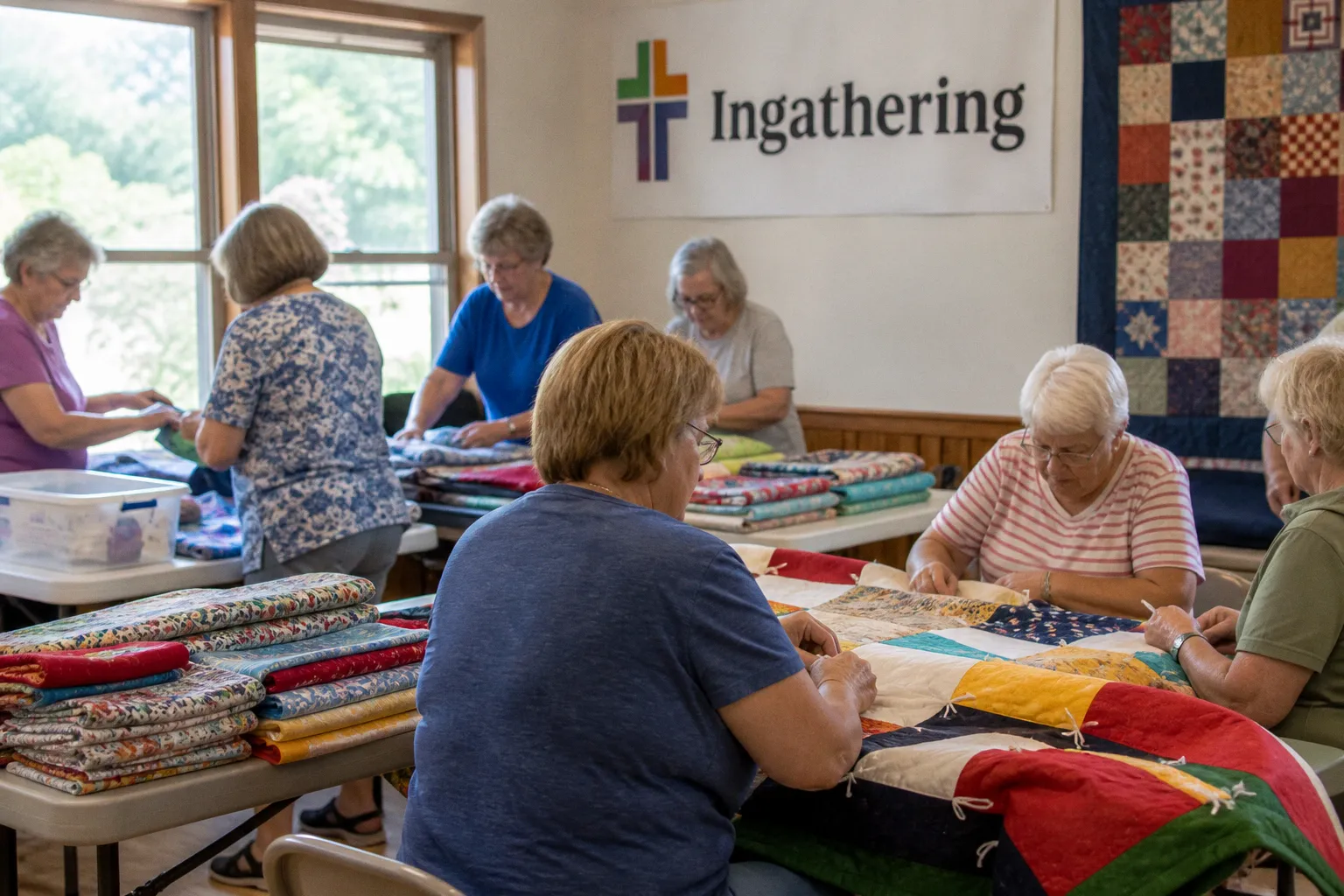
Congregations approaching the Fall Ingathering season face a recurring administrative and logistical challenge: coordinating quilt and kit production, collection, and shipping within a narrow seasonal window. According to Lutheran World Relief, the organization has released a dedicated guide supplying resources, tips, and procedural recommendations for congregations preparing quilts and kits for the upcoming ingathering cycle.
The Framework of the New LWR Guide
The released material functions as a planning instrument rather than a promotional document. Its purpose is to reduce variance in how congregations assemble, label, and deliver kits, thereby improving stewardship of materials and ensuring that finished goods meet distribution standards. The guide consolidates best practices that quilters and kit makers have historically developed in isolation, giving parishes a shared rubric for participation.
Key structural elements the guide addresses include:
1. Material specifications — establishing which fabric types, thread weights, and kit contents satisfy LWR requirements before production begins.
2. Assembly protocols — standardizing the order of operations in kit packing to prevent rejected shipments.
3. Labeling and documentation — ensuring each quilt and kit carries the identifiers necessary for tracking from donor congregation to recipient community.
4. Shipping logistics — clarifying drop-off locations, deadlines, and pallet preparation procedures for ingathering day.
Coordinating Ingathering With the Liturgical Calendar
The Fall Ingathering occurs within a season already marked by other observances. The Evangelical Lutheran Church in America has simultaneously published a new worship resource for the annual Creation in Christ observance, which many congregations schedule in early autumn. Stewardship committees and worship planners should treat these two resources as parallel rather than competing items on the autumn calendar.
A practical sequencing principle applies: worship resources shape the why of stewardship Sundays, while the LWR guide shapes the how of the ingathering collection. Congregations that preach on creation care or grateful response to God's provision can use the same homiletic window to publicize ingathering deadlines, recruit kit assemblers, and schedule quilting bees.
Implementation Steps for Parish Leadership
Church councils and quilters' circles can adopt a four-week preparatory timeline built around the guide's recommendations:
- Week one — Inventory audit. Review existing fabric stock, completed quilts, and partially assembled kit components. Discard items that do not meet specifications.
- Week two — Volunteer mobilization. Confirm quilting bee dates, recruit kit assembly leads, and assign responsibility for labeling and documentation.
- Week three — Production push. Complete remaining quilts, finalize kit packing, and verify counts against parish goals.
- Week four — Shipping preparation. Coordinate transport to the designated drop-off site, confirm pallet configuration, and submit any required parish reporting forms.
What to Watch
Parishes should monitor two items in the coming weeks: the specific deadline for Fall Ingathering delivery in their regional network, and any supplemental materials LWR may add to the guide as the season progresses. Early adoption of the framework yields measurable benefits — fewer rejected shipments, reduced material waste, and a clearer narrative of participation that congregations can report back to their members.
The efficacy of any ingathering depends less on volume and more on conformity to the established rubric. A parish that follows the guide systematically produces kits that arrive intact, documented, and immediately deployable — which is the operational standard the resource was designed to secure.