Navigating Sunday Worship Schedules and Community Ministry Timetables
According to the Times-Standard’s late-August 2026 “Services and Sermons” listing, congregations do not operate under one uniform Sunday timetable.
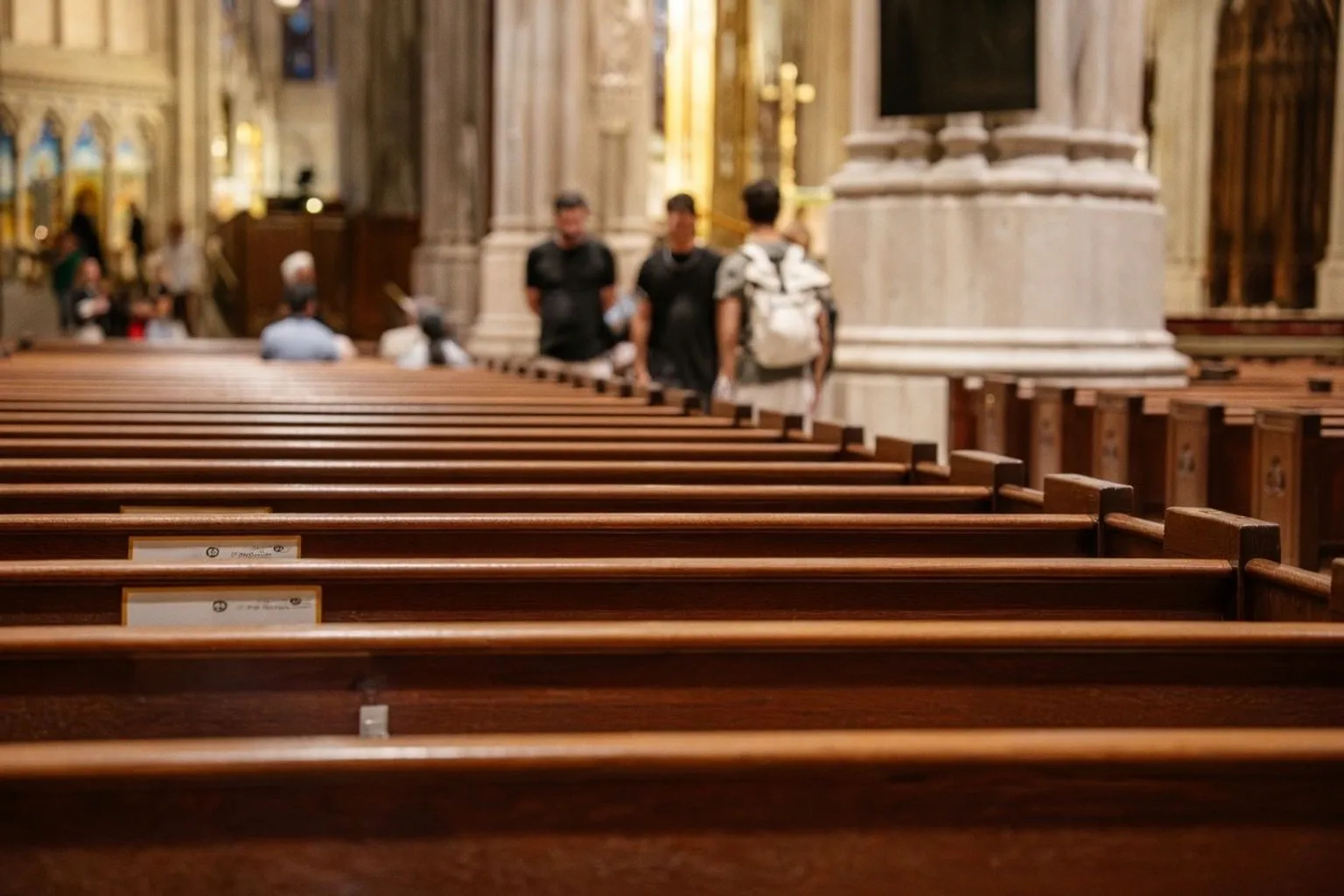
Services, Bible study, Sunday school, nursery care, coffee hours, and livestreams occupy different points in the morning. A Delco Times listing published Aug. 28, 2026, records the same administrative pattern while also documenting temporary seasonal changes; for congregational planning, the operative task is to distinguish the principal service from its related activities and verify the applicable time, place, and mode of access.
Separate worship from formation
The first element in a reliable planning rubric is the central act of public worship. That time should not be conflated with Christian formation, hospitality, or pastoral care, even when the congregation lists them together.
1. Identify the principal service. The Times-Standard gives several distinct patterns. Worship begins at 9 a.m. at the Ferndale congregation on Shaw Avenue, at 10 a.m. at the Eureka congregation on Del Norte Street, and at 11 a.m. at the Fortuna congregation on Smith Lane.
2. Identify scheduled formation. In Ferndale, family Bible study for all ages begins at 9 a.m., followed by the Divine Service at 10:30 a.m. The Arcata Lutheran Church entry similarly places worship at 10 a.m., children’s Sunday school during the service, and Adult Forum at 11:15 a.m.
3. Account for care and hospitality separately. Linwood Heights United Methodist Church lists Sunday school at 9:30 a.m. and worship at 10:45 a.m. Other entries place nursery care, coffee hours, or social time alongside worship without assigning them the same function.
This distinction is administratively useful. A formation time may precede the service, occur during it, or begin afterward; none of those arrangements makes it a substitute for the service itself. A ministry calendar should therefore record each activity as its own field rather than compressing the entire morning into one event.
Apply the calendar before the map
The Delaware County entries demonstrate why a Sunday time cannot be treated as season-neutral. Havertown United Methodist Church lists summer worship at 9:30 a.m. through Sept. 6, followed by all-ages Sunday school at 9:30 a.m. and worship at 11 a.m. beginning Sept. 13. Holmes Presbyterian Church lists summer worship and Sunday school at 10 a.m. through Aug. 30, with its 10:30 a.m. service resuming Sept. 6. St. John’s Episcopal Church remains on a one-service summer schedule through Sept. 13.
The same discipline applies to location. Havertown’s temporary schedule is tied to its Steel Road chapel, while the September arrangement moves to the Union Campus on Brookline Boulevard. The effective record therefore requires both a transition date and a place.
Remote access requires a separate check. The Times-Standard says the Ferndale service at 9 a.m. and the Fortuna service at 11 a.m. will be livestreamed from their respective sanctuaries. It also lists a Eureka service as available through Zoom or Facebook. These provisions should be verified directly with the congregation because the evidence establishes the listed arrangements, not their continued operation beyond the published schedule.
A practical sequence is therefore:
1. Confirm the intended Sunday or seasonal transition date.
2. Confirm the congregation and physical location.
3. Record the principal service separately from study and fellowship.
4. Determine whether the service is in person, streamed, or both.
5. Verify any change before travel or publication of a congregational notice.
Treat sacramental and sermon details as distinct fields
The service form is another essential category. The Delco Times lists Holy Communion at Trainer Trinity United Methodist Church’s Aug. 30 service at 10:15 a.m. It lists one Rite II service at 9:30 a.m. for St. John’s Episcopal Church. In Arcata, St. Alban’s lists Holy Eucharist at both 8 and 10:30 a.m., while St. Mary’s lists a Saturday Vigil Mass, Sunday Masses, adoration, and a regular confession period.
These terms should be retained as published rather than treated as interchangeable labels. The efficacy of a service directory depends on preserving the congregation’s own designation.
Sermon information follows the same categorical method. The Times-Standard lists Lay Minister Kalesitsa Fa’asisila presenting “The Cost of Discipleship” at the 10 a.m. Fortuna service, with scriptures from Psalm 105:1–6, Romans 12:9–21, and Matthew 16:21–28. It also lists “The Holy Cross” at a Eureka service, while the Delco Times lists Pastor Ethel Guy bringing the message “Acceptance” at Linwood Heights. The sermon title may assist thematic preparation, but it remains secondary to the service time, liturgical designation, location, and access method.
The best administrative practice is consequently a five-field check: date, congregation, principal service, related formation, and access. Applied in that order, the rubric prevents a Sunday school time from being mistaken for public worship and keeps temporal, spatial, and sacramental details under proper stewardship.