Adapting Liturgical Worship to Modern Congregational Needs
The Times-Standard's August 15 listing of North Coast congregations documents the operational baseline worship planners now manage.
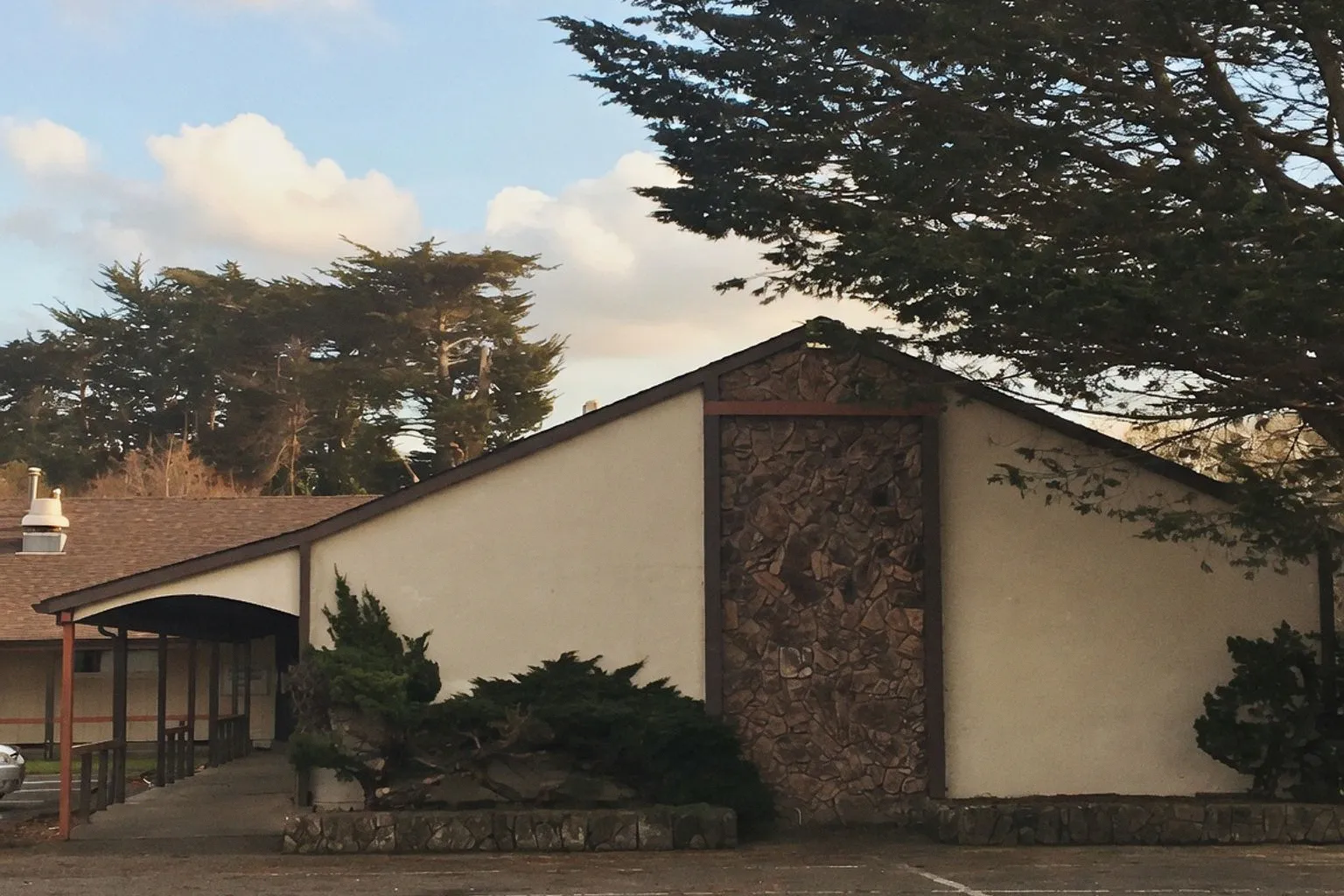
Pulaski Heights United Methodist Church has launched a Spanish-language worship service, according to a report from nwaonline.com. The development sits outside Lutheran polity but addresses a structural question common to every liturgical tradition: how a congregation adapts its worship architecture to serve populations the standard service calendar omits.
Service Architecture in Practice
Christ Lutheran Fortuna, pastored by Paul Demant, holds its 11 a.m. service and streams it via the congregation's Facebook page. The Lutheran Church Arcata, under Pastor Taylor Hagbo, structures its 10 a.m. worship with concurrent children's Sunday school and follows the liturgy with an Adult Forum at 11:15 a.m. St. Mark's Ferndale, led by the Rev. Raymond Hulett, sequences the morning as a 9 a.m. family Bible study followed by the Divine Service at 10:30 a.m. — the explicit rubric signaling a Word-and-Sacrament observance rather than a free-order gathering.
St. Alban's Arcata marks the 12th Sunday after Pentecost with Holy Eucharist at 8 and 10:30 a.m., bracketing a formation hour of Holy Conversations at 9:30 a.m. in the Parish Hall, where Deacon Cindy Woods leads a discussion titled "Growing as a Diaconal Church." First UMC Eureka, with the Rev. Amy Beth Durward de Macias preaching on "Pardon," offers both in-person and virtual Bible study alongside its 10 a.m. worship.
Three Recurring Stewardship Decisions
These listings reveal three administrative patterns any congregation working through a similar liturgical calendar must adjudicate.
1. Streaming as parallel venue. Livestream via Facebook, YouTube, or a parish channel has moved from contingency to standard infrastructure. Worship planners who treat the digital broadcast as an ancillary feed underestimate its catechetical function; those who compose it as a second liturgical venue treat it correctly.
2. Formation sequenced with worship. Nearly every congregation pairs the principal liturgy with a catechetical hour running concurrently or immediately adjacent. This protects the principle that worship and instruction are complementary acts rather than competing demands on the Sunday morning schedule.
3. Liturgical vocabulary as pedagogy. The deliberate use of "Divine Service," "Holy Eucharist," and named sermon topics signals that language itself forms the assembly. Pastors who specify the season and the sermon in advance give members the vocabulary to enter the church year.
What to Verify
The Pulaski Heights launch, per the available snippet, carries no further public detail. Lutheran councils weighing a parallel move should evaluate three checkpoints before implementation: whether catechesis will accompany the linguistic shift, whether the new service will observe the lectionary of the host congregation, and whether the streaming infrastructure can sustain a second liturgical venue without diluting the principal one.