ELCA Survey on Human Sexuality Closes Sept 30 for Churchwide Feedback
According to the Grand Canyon Synod of the ELCA, congregations, ministry groups, and individual members are being invited to participate in “Conscience and Conversation,” a churchwide study connected…
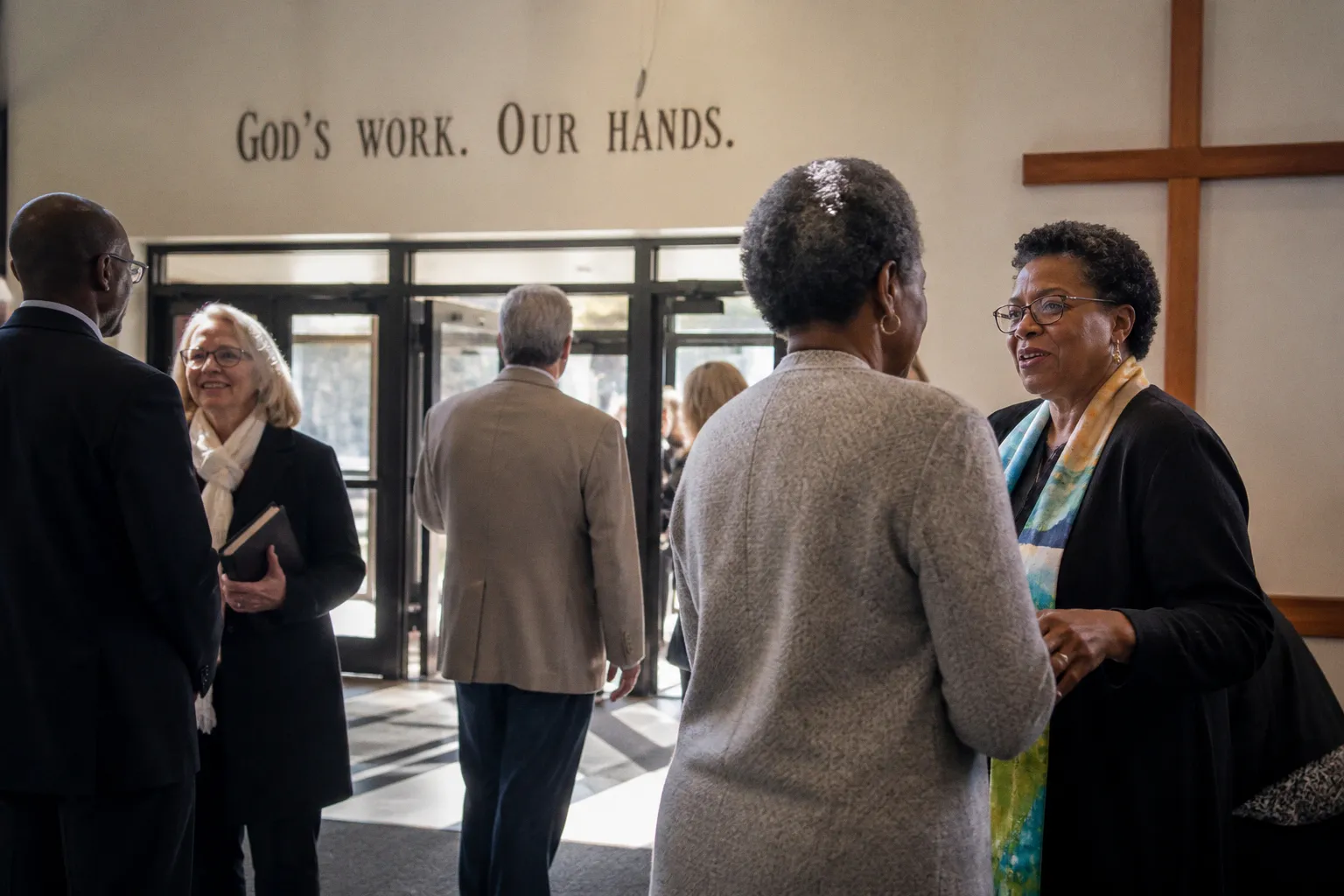
According to the Grand Canyon Synod of the ELCA, congregations, ministry groups, and individual members are being invited to participate in “Conscience and Conversation,” a churchwide study connected to the reconsideration of Human Sexuality: Gift and Trust. The accompanying survey remains open through September 30, 2026. Its importance is procedural as well as theological: submitted feedback will inform a draft social statement for churchwide review in 2027 and consideration by the 2028 ELCA Churchwide Assembly.
The current phase of the process
The study is part of the second reconsideration authorized by the 2022 ELCA Churchwide Assembly. The first reconsideration was completed and adopted by the 2025 Churchwide Assembly, with updated language addressing changes in church teaching and civil law.
The present phase focuses on the section commonly called “bound conscience” and on how the church understands differing convictions regarding same-gender relationships. The stated framework is not a predetermined outcome. Instead, the Human Sexuality Reconsiderations Task Force is seeking faithful discernment across the church through prayer, study, listening, and structured conversation.
This distinction matters for congregational planning. The current survey is an input mechanism within an ongoing process, not a final vote on a completed statement. Participants are therefore being asked to contribute perspectives that can shape the next stage of drafting and review.
How congregations can use the resource
The study is designed for several settings:
1. Adult forums and small groups. Sessions include Bible readings, discussion questions, prayers, and hymns, allowing the material to function within an established educational or devotional schedule.
2. Congregational councils and ministry groups. Leaders can adapt the study to different schedules and use it as a structured basis for considering how conscience, Christian freedom, and life together operate amid disagreement.
3. Individual participation. Members may engage the resource independently and complete the accompanying survey without waiting for a congregational program.
The administrative requirement is straightforward: organize the discussion, preserve time for reflection, and submit feedback before the September 30 deadline. The resource is intended to support careful listening rather than rapid consensus. A congregation that treats the study only as an information session may miss its central function, which is to gather considered responses for the churchwide reconsideration process.
What leaders should verify
Church leaders should first confirm access to the study materials, timeline, frequently asked questions, and additional resources associated with the ELCA’s Human Sexuality Reconsideration process. They should then determine which setting—adult forum, small group, council, or ministry gathering—can provide sufficient time for the prescribed prayers, readings, discussion, and survey response.
The relevant stewardship question is not simply whether a congregation schedules a meeting. It is whether the process produces usable feedback while maintaining the liturgical and communal conditions identified by the study itself: prayer, engagement with Scripture, historical reflection, and careful attention to differing convictions.
The ELCA task force has emphasized that broad participation will help inform the next stage. For congregations and members, the practical sequence is therefore clear: obtain the resource, establish a discussion format, engage the material faithfully, and submit the survey by September 30, 2026. Further developments will include the release of a draft statement for churchwide review in 2027 and its consideration by the 2028 Churchwide Assembly.