Analyzing the Jesus Fest Model for Sustainable Lutheran Outreach Events
According to WV News, the 22nd annual Jesus Fest convened in Clarksburg, combining congregational worship, live music, and open-water baptisms into a single public gathering.
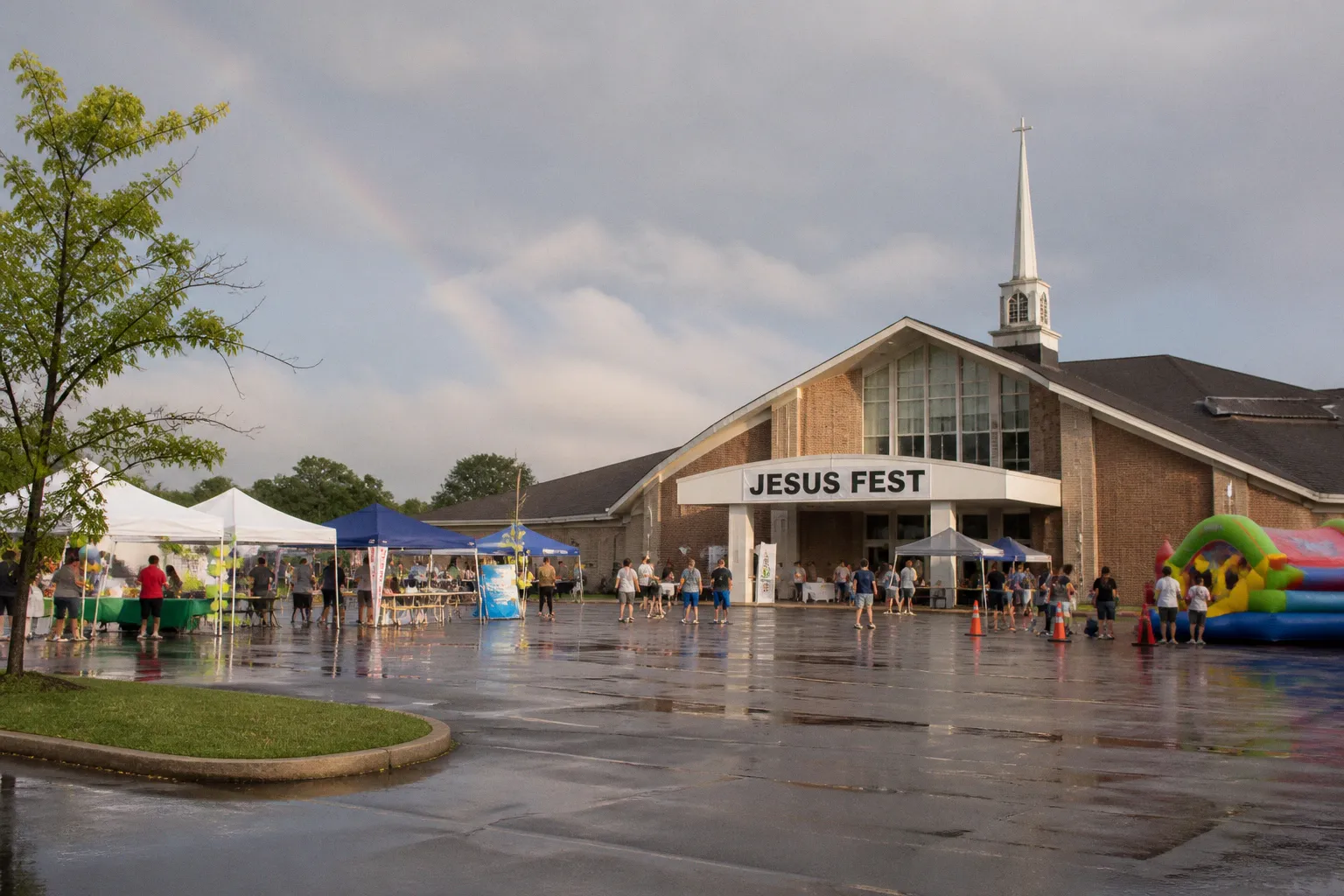
The festival's longevity and tripartite format warrant structural examination by Lutheran worship planners who steward analogous outreach events. What follows isolates the confirmed components of the festival and situates them within documented patterns in the surrounding worship-and-music ecosystem.
The Confirmed Components
WV News identifies three distinct elements operating in sequence at Jesus Fest: corporate worship, musical performance, and baptism. The headline framing — "worship, music and baptisms" — signals an intentional ordering rather than a single service with musical accompaniment. For Lutheran communities accustomed to the baptismal rite's placement within the Divine Service, the externalization of baptism as a recurring public component represents a divergent liturgical rubric. The twenty-two-year recurrence indicates institutional sustainability and a community expectation built around an annual rhythm rather than episodic programming.
The Surrounding Ecosystem
Parallel developments in the wider worship culture reinforce the structural logic visible in the Jesus Fest model. Sports Spectrum documented Dude Perfect's recently concluded Squad Games Tour, which closed arena shows in 22 cities before more than 180,000 attendees with corporate worship led by Tyler Toney alongside artists including Brandon Lake, Kari Jobe, Cody Carnes, Jeremy Camp, Cory Asbury, and Chris Brown of Elevation Worship, followed by a Gospel presentation that the group first integrated into touring in fall 2021. JubileeCast reports Norman Lee Schaffer positioning Twang Worship Music Inc. at the center of what he characterizes as a coming Christian country gospel revival. The Gospel Music Association separately announced the launch of the Museum of Christian & Gospel Music's new website. Read together, these items describe a worship-music infrastructure operating with deliberate public visibility beyond Sunday-morning sanctuaries.
Stewardship Implications for Lutheran Practice
Three considerations follow for Lutheran worship committees and outreach planners. First, the Jesus Fest's longevity suggests that consistent annual scheduling — rather than ad hoc programming — builds regional anticipation and identifiable community presence; planners evaluating recurring outreach should measure against this standard. Second, the integration of baptism as a public, repeatable element contrasts with Lutheran sacramental practice, in which baptism is administered once within the assembly; the contrast merits catechetical explanation rather than imitation, lest Lutheran congregations adopt the form without the theological substance. Third, the documented scale of stadium-level worship integration and the institutional momentum behind the country gospel movement indicate that audiences across denominational lines now encounter worship framed as event; Lutheran communities preparing for similar outreach should anticipate that visitors arrive with expectations shaped by these external models and should plan accordingly.
Jesus Fest in Clarksburg constitutes one data point within a documented convergence of worship, music, and sacramental visibility in the public square. Lutheran planners tracking the pattern should catalog the structural components, measure them against confessional standards, and respond with deliberate framework rather than passive observation.