How to Verify Lutheran Church Event Listings from Local News Calendars
The Charleston Gazette-Mail published a notice titled “Church Calendar” on September 2.
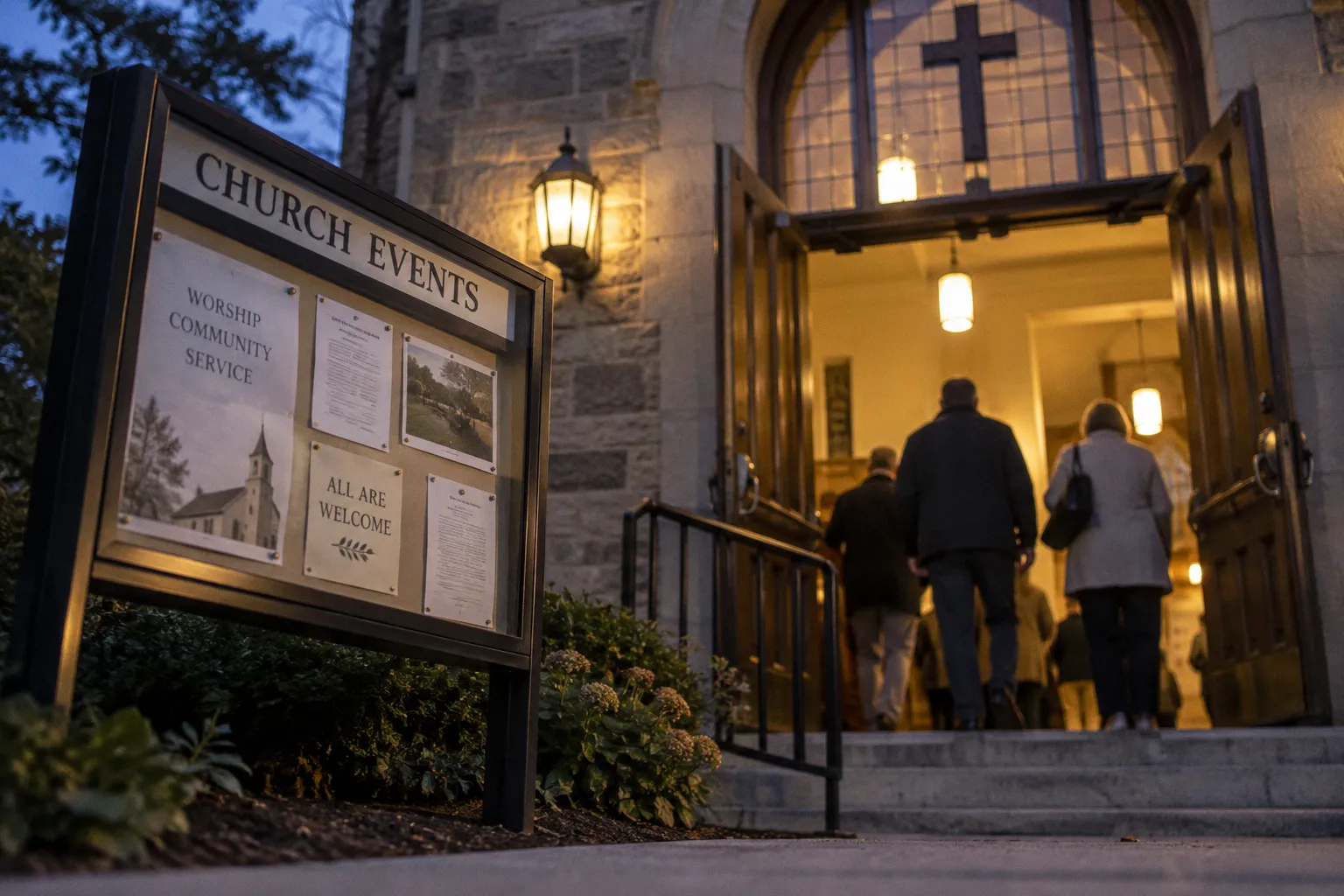
According to a set of recent calendar listings from the Charleston Gazette-Mail, WV News, The Daily Reporter of Greenfield, Indiana, and MessageMedia.co, church and community calendars have been updated across several local news outlets. The available notices identify calendar or church-notes entries, but they do not provide the underlying schedules, congregational names, service times, or ministry details. For Lutheran congregations, the practical issue is therefore not discovering a confirmed event, but applying a reliable verification framework before treating a listing as operational information.
What the available notices establish
The source cluster contains four relevant entries:
1. The Charleston Gazette-Mail published a notice titled “Church Calendar” on September 2.
2. WV News carried a “Community Calendar” entry on September 3.
3. The Daily Reporter published “Church notes” on September 5.
4. MessageMedia.co published “Church calendar - Sept. 2 update” on September 6.
These titles indicate recurring calendar coverage rather than a single identified worship event. They do not, by themselves, establish a Lutheran service, a change to a liturgical schedule, or a ministry gathering. Because the source material available here consists only of headlines and snippets, any more specific conclusion would exceed the evidence.
This distinction matters administratively. A calendar heading is a signal that information may exist in the underlying publication; it is not a substitute for the details required to plan attendance, volunteer coverage, transportation, music preparation, or pastoral oversight.
A verification framework for congregations
Before incorporating a reported calendar item into a parish schedule, use the following sequence:
1. Identify the originating notice. Record the publication, title, and publication date. The four entries above should remain separate records unless their underlying contents can be confirmed.
2. Obtain the complete listing. A headline such as “Church Calendar” does not establish the event’s date, location, sponsoring body, or liturgical character.
3. Check the congregation’s own communication. Confirm the item through the church’s official calendar, bulletin, newsletter, or designated office. The external listing should function as a lead, not as the controlling record.
4. Classify the activity. Distinguish among a Divine Service, prayer office, educational meeting, fellowship event, community program, or administrative gathering. Each category carries different requirements for worship planning and stewardship of space.
5. Confirm changes before publication. If the event is moved, cancelled, or revised, update every calendar channel rather than relying on a single correction.
This procedure prevents a common administrative error: treating visibility in a public calendar as evidence of ecclesial authorization. Public notice and parish confirmation perform different functions within the calendar system.
What worship planners should monitor
The current evidence does not identify a specific Lutheran congregation or provide a confirmed service schedule. Readers should therefore monitor the underlying publications for expanded listings while giving priority to the congregation’s own liturgical rubric and communications.
The relevant question is not merely whether an item appears in a calendar, but whether it has enough verified information to support action. At minimum, planners need the event’s identity, timing, location, responsible organization, and current status. None of those details is supplied in the available snippets.
For now, the four notices are best treated as indicators of calendar activity, not as complete announcements. The appropriate conclusion is procedural: verify the full entry, reconcile it with the parish’s authoritative schedule, and only then incorporate it into worship or ministry planning.