Global Lutheran Leaders Unite to Address Modern Ministry Challenges
The 2026 International Church Relations Conference convened July 16–27 in Phoenix, Arizona, gathering Lutheran leaders from 43 countries across six continents. Hosted by The Lutheran Church—Missouri Synod, the ICRC met under the theme "I Am Content!
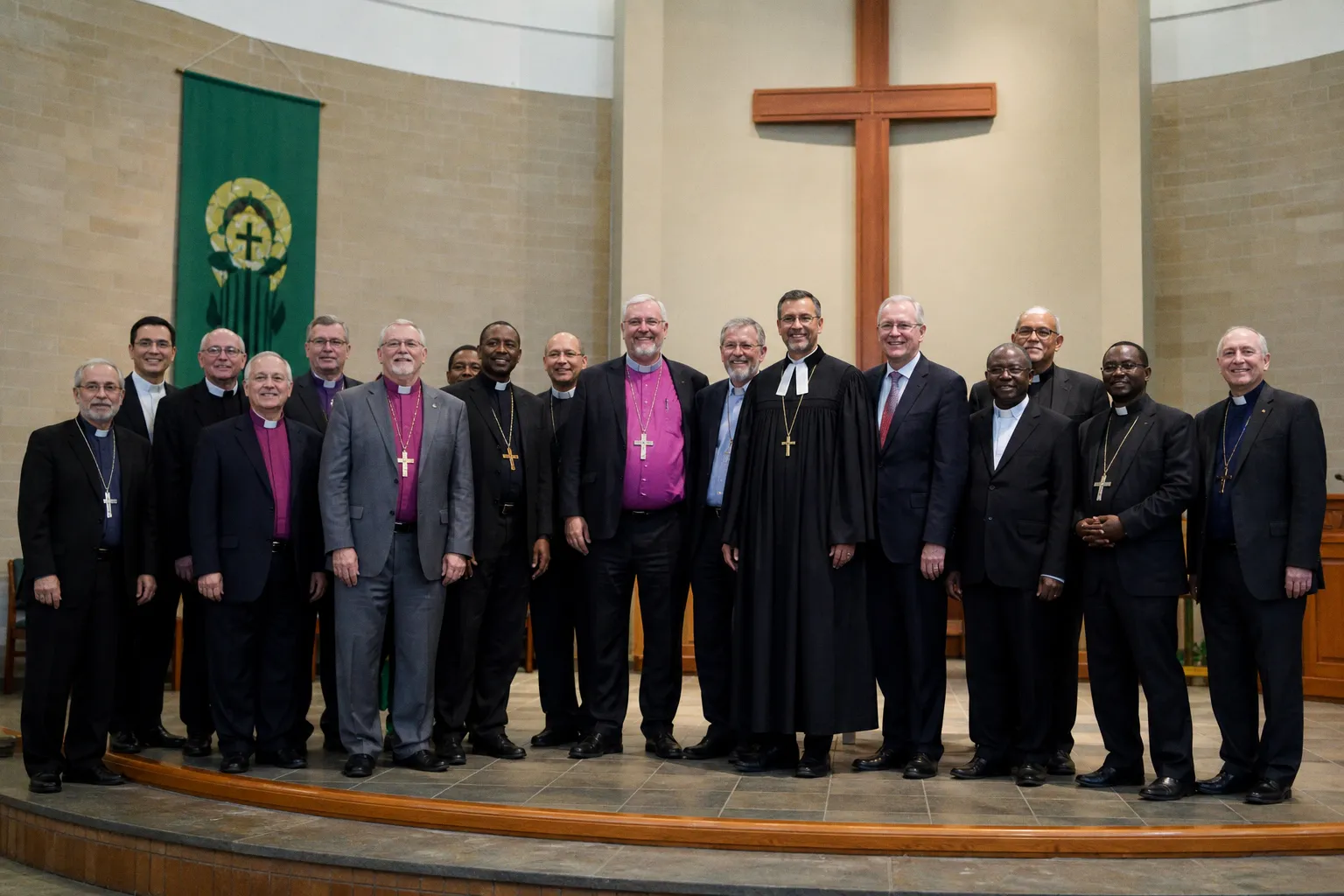
A Liturgical Framework for Global Confessional Solidarity
My Jesus Ever Lives!"—drawn from Lutheran Service Book 468. The conference's core purpose remained its established one: to provide a structural framework for sister and associate church bodies to articulate their operational challenges and receive confessional counsel from peers navigating similar governance pressures.
Documented Challenges Across Six Continents
What emerged from the gathered presentations was a taxonomy of distinct pressures facing confessional Lutheran bodies worldwide. Bishop Rev. Torkild Masvie of the Lutheran Church in Norway and Iceland described a church that is both "very young and very old"—rooted in the Reformation yet incorporated only in 2006. Its stewardship model relies on worker-priests and congregations planted with as few as two members; the church owns only two buildings, renting the rest.
In Lithuania, where Lutherans remain a small minority in an increasingly secular society, Bishop Rev. Mindaugas Sabutis noted that "each generation of Lutherans in Lithuania thought that they are probably the last generation of Lutherans." Other bodies reported doctrinal pressures specific to their contexts: relativism in Brazil, the Prosperity Gospel in Kenya, and isolation in South Africa. Archbishop Rev. Dr. Christian Ekong of the Lutheran Church of Nigeria described a more acute crisis—violent persecution of Christians in the country's Muslim-majority north, with families displaced, churches burned, and members killed.
Doctrinal Encouragement Through Hymnal Rubric
The symposium's theological component organized its content around four Easter texts corresponding to the stanzas of LSB 468. Each paper examined how Christ's resurrection produces contentment—a doctrinal claim positioned not as sentiment but as the proper theological response to the operational realities described above. Discussion sessions followed each presentation, allowing leaders to test these frameworks against their local conditions.
For the worshiping community, the ICRC's structure offers a practical rubric worth noting. When local congregations face resource scarcity, isolation, or external pressure, the conference model suggests that the first administrative step is not programmatic innovation but doctrinal retrieval: returning to the hymnal's confessional language for a framework of resilience. The four presentations—from Argentina, Canada, Taiwan, and Nigeria—served this end, each grounding institutional challenge in the contentment articulated by LSB 468's text.
For local stewardship of worship, the ICRC's emphasis on hymnal-based theological formation reinforces what liturgical practice has long demonstrated: that congregational singing is not merely devotional but pedagogical—a means by which confessional identity is transmitted across generations, even under conditions of numerical decline or physical threat.