Why Congregational Singing Is a Vital Form of Shared Prayer
A new Lutheran devotional from Worship Anew reframes congregational singing not as a musical supplement to the liturgy but as a structural instrument of communal prayer.
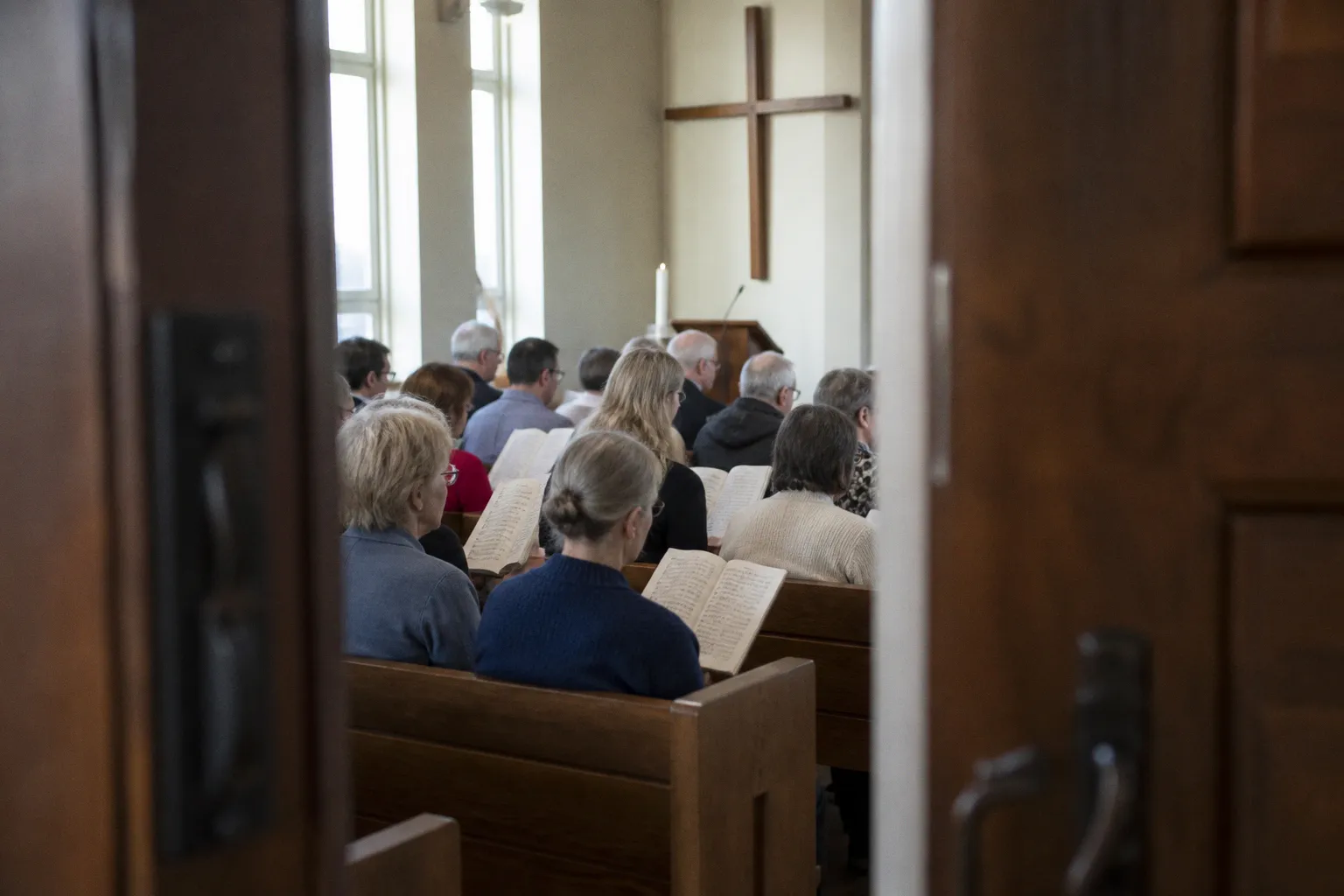
According to the publication, the assembly's voice functions as an active liturgical agent, one that binds the gathered congregation to the wider fellowship of historic Christian worship. The framing arrives at a moment when many parishes are reconsidering how the people of God participate in the liturgy they have inherited.
A Theological Framework for the Assembly's Voice
Worship Anew grounds its reflection in the apostolic directive to "be filled with the Spirit, addressing one another in psalms and hymns and spiritual songs." From that premise the devotional advances a systematic claim: a choir operates as a single instrument composed of distinct voices, and by extension, when a congregation joins in song, the assembly itself becomes one voice and one community of praise.
The framework carries three operative implications for liturgical planning. First, congregational singing is not decorative; it is a participatory mechanism through which doctrine is taught and mutual encouragement is enacted. Second, the act extends beyond the local assembly. The devotional specifies that as believers sing psalms and hymns, they enter "a worldwide community of praise that reaches back into history." Third, the practice remains efficacious even in private recitation, since individual song "joins the praise that endlessly ascends to the throne of God."
Applying the Framework in Worship Planning
For worship committees, pastors, and musicians, the devotional's logic translates into a measurable set of stewardship principles. Select hymns whose texts reinforce the appointed scriptural readings rather than functioning as transitional filler. Reserve choir anthems for moments that explicitly serve the assembly's formation rather than displacing the congregation's voice. Train lectors, greeters, and ushers to recognize the liturgy of the Word and the liturgy of the sacrament as continuous, with congregational song binding the two halves of the service.
The publication also issues a practical exhortation: keep a hymnal accessible throughout the week. The instruction treats the hymnal as a devotional instrument, not merely a Sunday-morning resource, and it reframes individual practice as participation in the same eschatological chorus the congregation enacts in gathered worship.
What to Track Next
Congregations implementing this framework should evaluate three indicators over the coming liturgical quarter. First, measure the proportion of sung portions of the liturgy carried by the assembly rather than the choir. Second, audit hymnal selections against the lectionary to verify doctrinal coherence between word and song. Third, assess whether the devotional's exhortation to private singing produces observable continuity between weekday practice and Sunday assembly participation.