Proclaiming God's Worthiness in the Midst of Personal Tragedy
A recent report from Movieguide highlights a Christian artist who, after significant personal loss, maintains that God is still worthy of worship — a framing that warrants careful examination through…
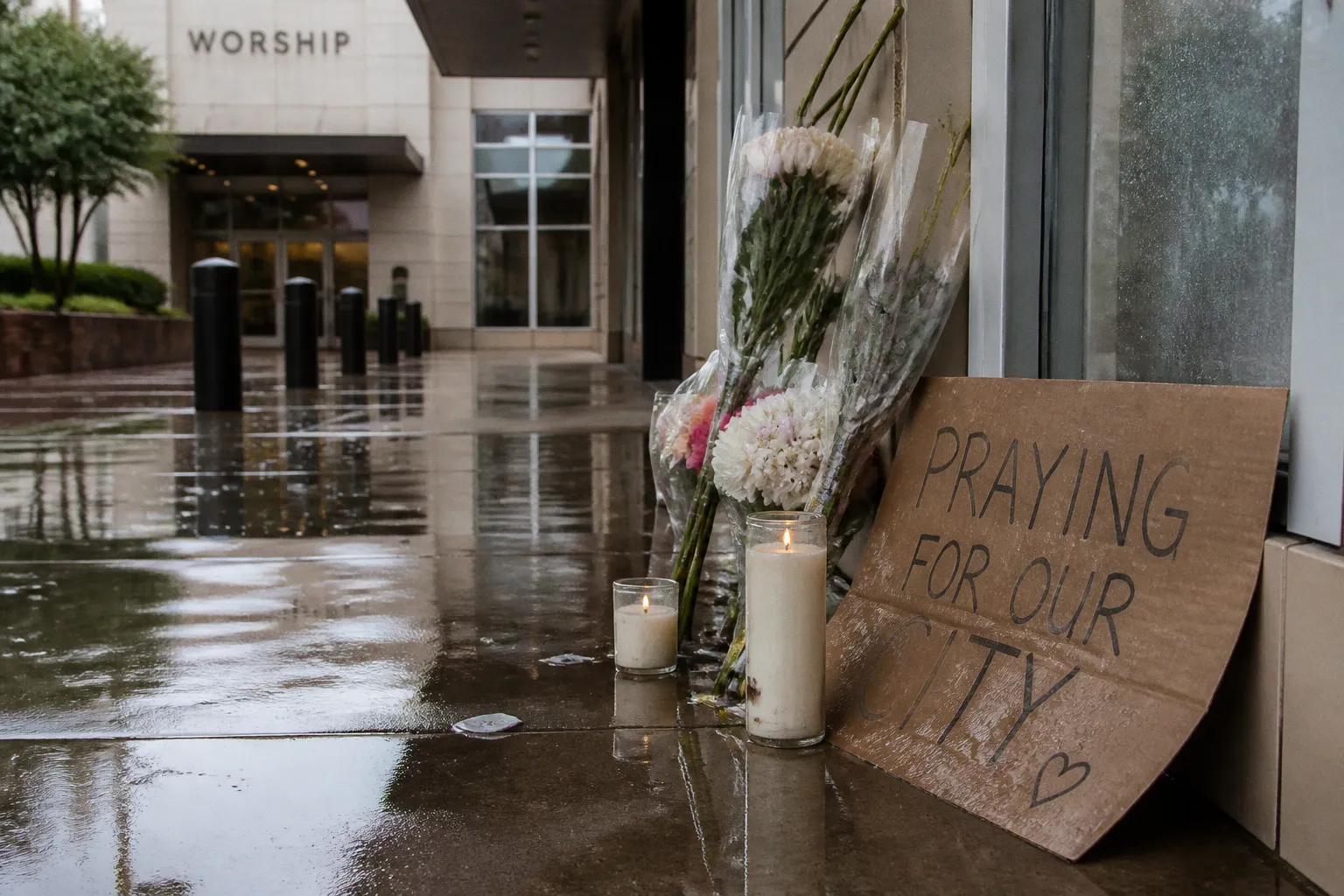
When tragedy enters the life of a worship leader or congregant, the immediate liturgical question is not whether services will continue, but how the gathered assembly can truthfully proclaim God's worthiness in the very hour that worthiness feels contested. A recent report from Movieguide highlights a Christian artist who, after significant personal loss, maintains that God is still worthy of worship — a framing that warrants careful examination through the lens of Lutheran worship practice and pastoral stewardship.
The Theological Distinction at Stake
The core claim — that God remains worthy of worship after tragedy — is not a contemporary innovation. The Lutheran tradition has long distinguished between God's intrinsic worthiness (objective, unchanging, grounded in the divine nature) and the subjective experience of the worshiper. A pastor or musician navigating grief need not manufacture enthusiasm; the liturgy carries the weight precisely when individual feeling falters. Worshippers do not gather to testify that they feel God's worthiness, but to confess that God is worthy — a confession that the gathered assembly makes on behalf of one another when any single member cannot.
This is the mechanism by which the historic liturgy operates. The worshiper who cannot pray is carried by the prayers of the community; the singer who cannot sing is upheld by the assembly's voice.
Practical Frameworks for Congregational Use
For worship planners responding to a member's tragedy, three structural considerations preserve both theological integrity and pastoral sensitivity:
1. Hold the liturgical text unchanged. The collects, the psalmody, and the Eucharistic canon are not improvised to match the emotional temperature of a given Sunday. Their stability is itself a proclamation that God's character does not shift with circumstance.
2. Designate a specific intercessory petition. Rather than ad-libbing, the pastor inserts a named petition for the affected party into the Prayers of the Church. This is a rubric, not a departure from the rubric.
3. Brief the worship team in advance. Musicians and liturgists should know the pastoral context before the service begins, so that dynamics (tempo, key choices, silence) serve the assembly rather than performing the grief.
Context Worth Tracking
Separately, Rutherford Source reports that a film titled House of Worship, featuring 25 Christian artists, opened in theaters on August 23. The film itself is outside the scope of this site's regular coverage, but the underlying question it raises — how artists and musicians articulate worship under varied life circumstances — remains directly relevant. Lutheran worship planners evaluating contemporary Christian media for congregational study groups should weigh such resources not by their emotional resonance but by whether they reinforce the distinction between God's objective worthiness and the worshiper's fluctuating experience of it.
The practical test is straightforward: if a given resource leads the assembly to confess God's character more clearly, it has served its liturgical purpose. If it leads the assembly to confess their own emotional state, it has not.
The Movieguide report, insofar as it surfaces this distinction publicly, offers pastors a useful teaching moment. The tragedy itself does not require resolution before worship can proceed; it requires only a gathered people willing to speak what is true on one another's behalf.