Reimagining Roosevelt’s Four Freedoms Through a Lutheran Theological Lens
Roosevelt's "Four Freedoms" through a distinctly Lutheran lens, with the Grand Canyon Synod directing attention to the piece.
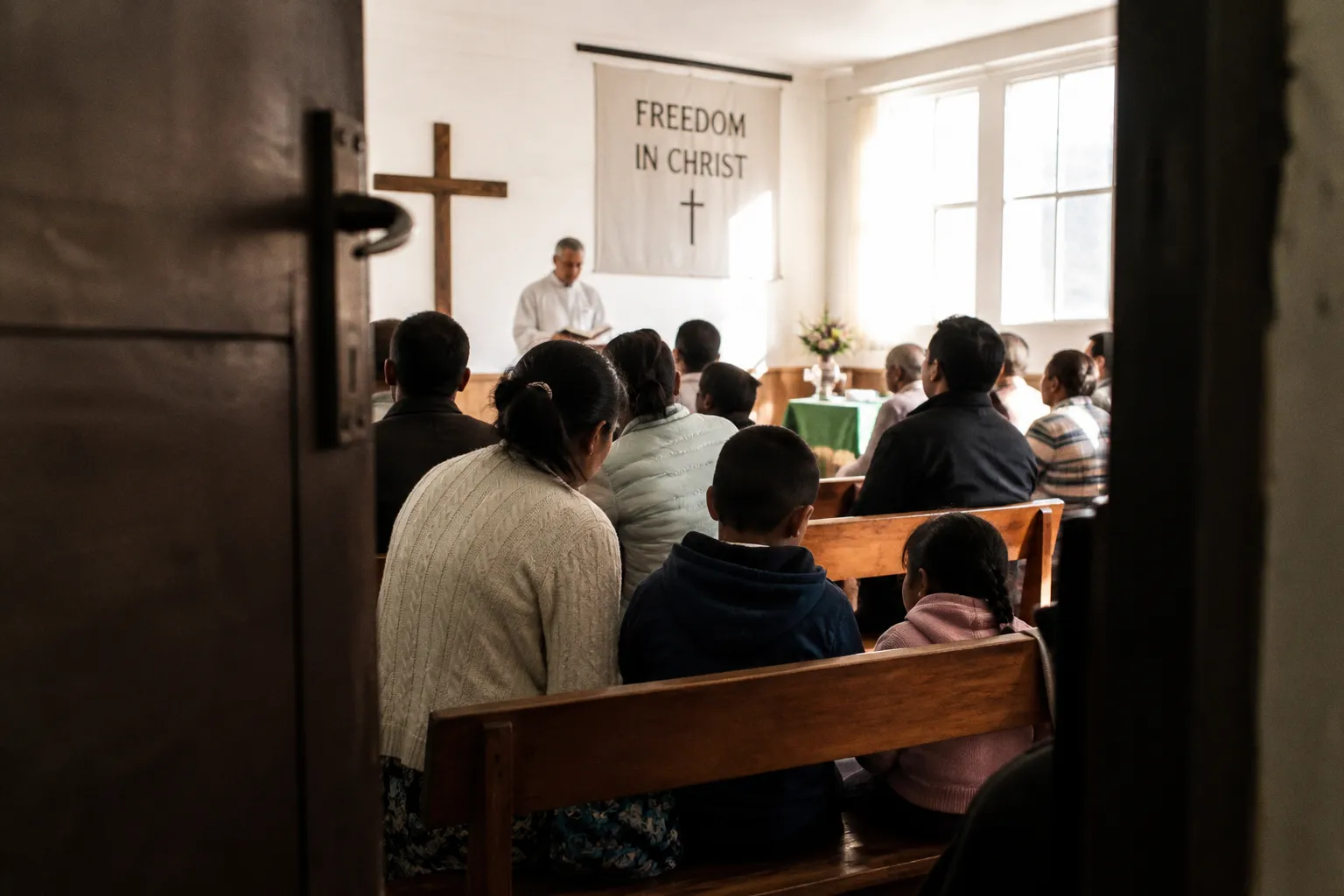
As the United States approaches its 250th anniversary, Living Lutheran has published a reflective essay by Leah Taber examining President Franklin D. Roosevelt's "Four Freedoms" through a distinctly Lutheran lens, with the Grand Canyon Synod directing attention to the piece. The framework — freedom of speech, freedom of worship, freedom from want, and freedom from fear — is mapped against core Lutheran commitments such as unity in Christ, reconciliation, community, grace, and faith.
The Source and Its Occasion
According to the Grand Canyon Synod, the reflection forms part of Living Lutheran's summer-long series commemorating the 250th anniversary of the adoption of the Declaration of Independence. That editorial frame situates the church's role within civic life, and Taber's contribution applies the "Four Freedoms" schema to that civic-theological intersection. The operative question, as the source frames it, concerns what it would mean for Lutherans to embody these commitments not solely within Sunday assemblies but across communal and civic engagement.
Mapping the Freedoms to Lutheran Categories
The reflection connects the four civic ideals to specific theological categories. Freedom of speech aligns with the Lutheran practice of confession and proclamation. Freedom of worship corresponds to the liberty of the gospel and the right of congregations to order their liturgy according to conscience. Freedom from want maps to stewardship and mutual aid, grounded in the doctrine of vocation. Freedom from fear corresponds to the comfort of justification by grace. These pairings provide a systematic rubric for self-examination within a congregation.
A Framework for Congregational Review
For worship planners, council members, and rostered leaders, the article supplies a usable instrument of review. Three steps emerge from its logic:
1. Audit communal practice against each of the four freedoms, recording where the congregation actively upholds or neglects the corresponding commitment.
2. Identify one liturgical or programmatic adjustment per freedom for the coming church year, with a clear scope and timeline.
3. Document the rationale theologically, anchoring each adjustment to a confession, creedal affirmation, or scriptural text so that the work remains catechetical rather than programmatic.
The piece, as circulated by the Synod, does not propose structural governance changes; its purpose is formative. What merits continued attention is whether congregations treat the "Four Freedoms" as a passing commemorative motif or as a durable rubric for stewardship, proclamation, and communal discernment.