Pine River Lutheran Congregation Mobilizes for Annual Day of Service
Members of First Lutheran Church in Pine River joined congregations across the Evangelical Lutheran Church in America on September 13 for the denomination's "God's Work, Our Hands Sunday," according to reporting from pineandlakes.com.
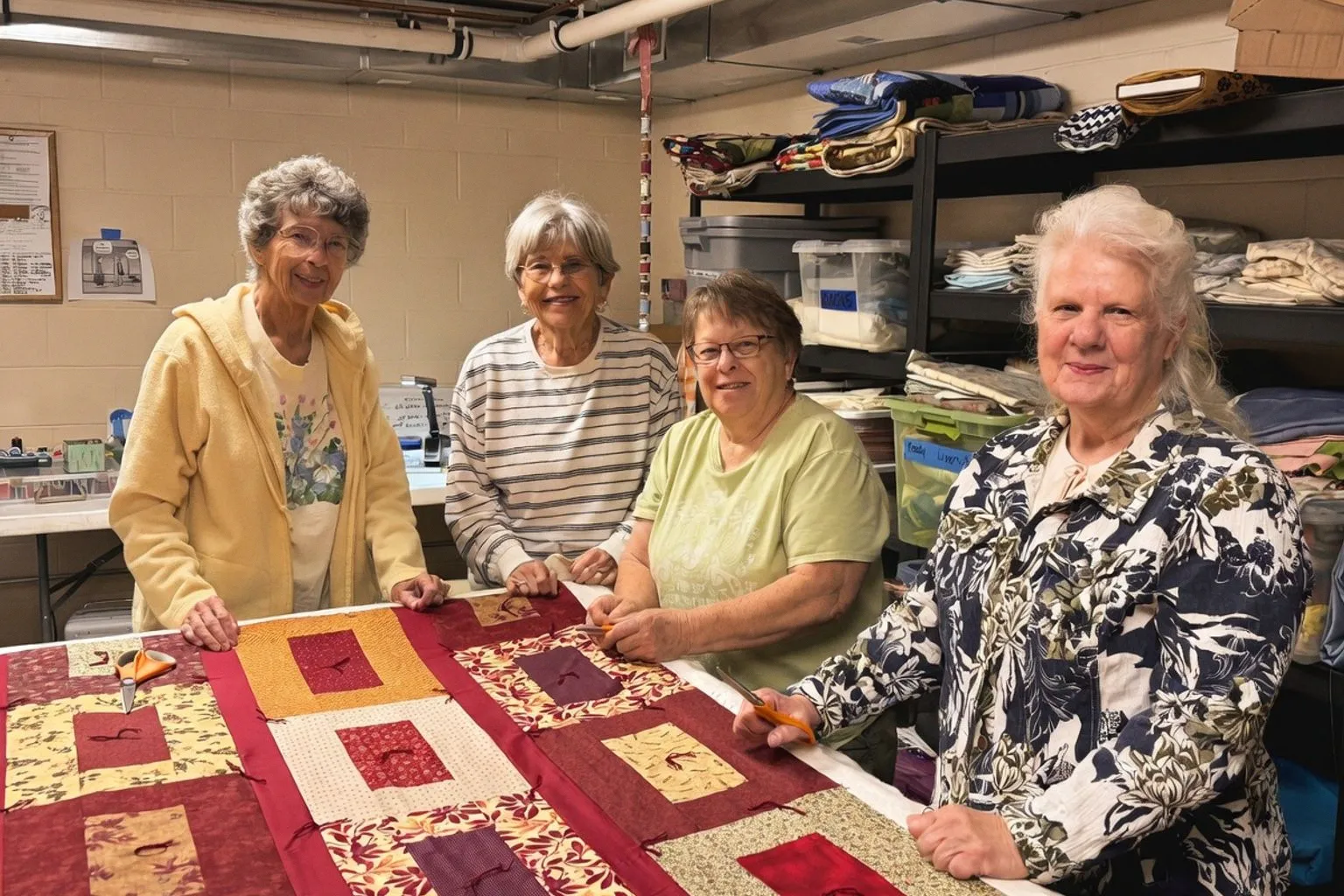
The observance redirects the post-commissioning activity of a single Sunday toward organized service projects, placing parish labor in direct contact with named beneficiaries inside and outside the community.
The Liturgical Framework
"God's Work, Our Hands Sunday" is an ELCA-wide observance in which the Pine River congregation participated alongside other member churches. The day channels the assembly's gathered energy into directed acts of mercy, distributing parish effort across multiple project streams rather than concentrating it on a single initiative. The liturgical logic is uncomplicated: the benediction sends the assembly out, and this Sunday directs that sending toward identifiable beneficiaries.
The Pine River Distribution
At First Lutheran, the labor was divided across four tasks. Members rolled bandages for Global Health Ministries, visited senior living facilities to sing, sewed quilts for Lutheran Missions, and washed windows and weeded at the Pine River Chamber Office. The distribution — global medical aid, pastoral presence with the elderly, material charity, and local civic stewardship — covers a deliberate cross-section of mercy categories. Each project is anchored to a standing institutional partner, which converts one-time volunteer effort into a contribution that continues past the Sunday itself.
A Framework for Similar Observance
Three operational points clarify how a comparable day should be structured:
1. Capacity matching. Project selection must fit the congregation's available labor without exhausting the volunteer pool. The Pine River arrangement — four discrete tasks across one Sunday — illustrates a workable distribution model for small to mid-sized parishes.
2. Standing partnerships. Each beneficiary in the Pine River roster represents a pre-existing institutional channel. Ad hoc partnerships introduce logistical friction and should be vetted against the congregation's stated mission priorities before being added to the rotation.
3. Integration with the Sunday liturgy. Service projects are properly framed from the pulpit as the embodied continuation of gathered worship, not its substitute. Homiletic and prayer-book references on the day should make this continuity explicit, so that the labor outside the sanctuary carries the same theological weight as the readings and sermon within it.