Honoring Two Centuries of Faith: Planning Meaningful Milestone Anniversaries
According to West Newsmagazine, a congregation is celebrating its bicentennial under the banner of "loving God and loving community." Separately, per WDIO.com, Zion Lutheran Church in Grand Rapids is preparing to observe its own 125th anniversary.
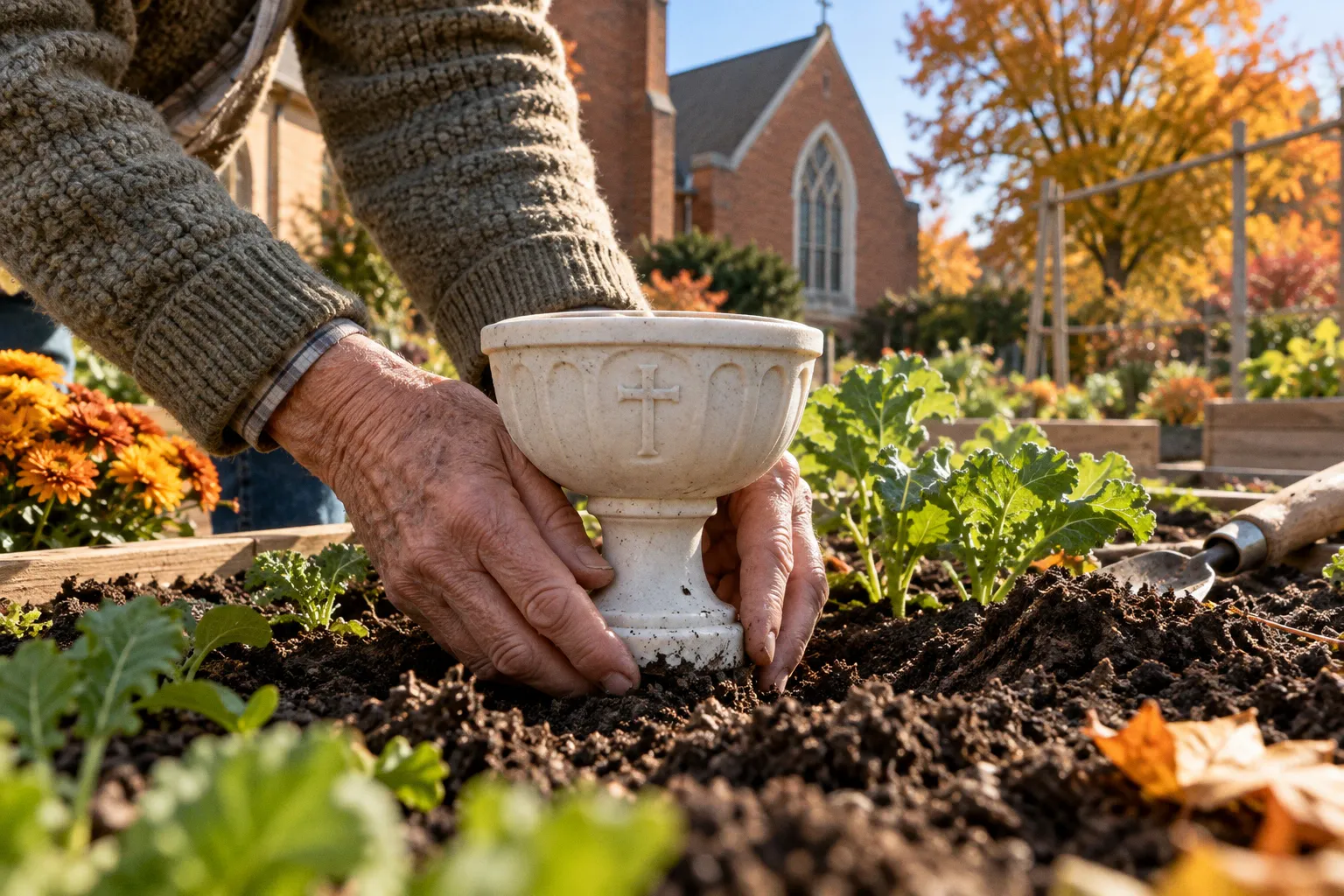
The convergence of these two commemorations offers liturgical planners and congregational leaders a defined occasion to examine the administrative and theological framework that milestone anniversaries require.
The liturgical structure of a milestone commemoration
An anniversary of this magnitude operates as a stewardship exercise extending well beyond any single pastorate. Liturgically, the occasion warrants a deliberate re-examination of the founding charter, earliest membership rolls, and the hymnody employed at the initial service of worship. Theologically, the milestone situates the present assembly within the long confession of the saints, rendering visible the continuity of Word and Sacrament administration across decades.
Several categories of material warrant systematic review before any anniversary service is designed:
1. The founding charter and earliest congregational records, authenticated against original minutes rather than later commemorative publications.
2. The liturgical setting, preaching texts, and choral works used at the inaugural service.
3. The succession of pastoral calls and catechetical resources historically employed by the congregation.
Pastors responsible for planning should treat the date as a structural event requiring deliberate integration into the lectionary cycle, rather than as a commemorative curiosity appended to the liturgical calendar.
Practical preparation across an extended horizon
A congregation approaching a major anniversary benefits from a defined calendar of preparation well in advance of the date. The work divides into sequential phases:
1. Historical phase — compilation of records, interviews with long-standing members, and verification of the founding date.
2. Liturgical phase — design of the central service, including the selection of preaching texts, choral works, and any commissioned compositions consistent with the congregation's doctrinal standards.
3. Communal phase — coordination with former pastors, ecumenical guests, and district leadership; preparation of any commemorative volume or directory for ongoing stewardship.
Verification points before planning begins
Congregations should confirm several administrative details before committing to a design. The accuracy of the founding date should be verified against original congregational minutes. The expectations of the district or synod for any anniversary recognition should be clarified in writing. The availability of retired clergy who served during earlier decades of the milestone period should be assessed, and the capacity of the worship space for attendance that may exceed typical Sunday norms should be evaluated. The Lutheran liturgical tradition treats such services as occasions for the renewal of baptismal promises and the public reaffirmation of the congregational covenant — not as detached civic celebrations divorced from the regular rhythm of the Church Year.