Integrating Fair Trade Practices into Lutheran Congregational Life
Equal Exchange has announced a webinar series marking thirty years of collaboration with more than 10,000 congregations across Lutheran, Presbyterian, and broader faith networks, according to Religion News Service.
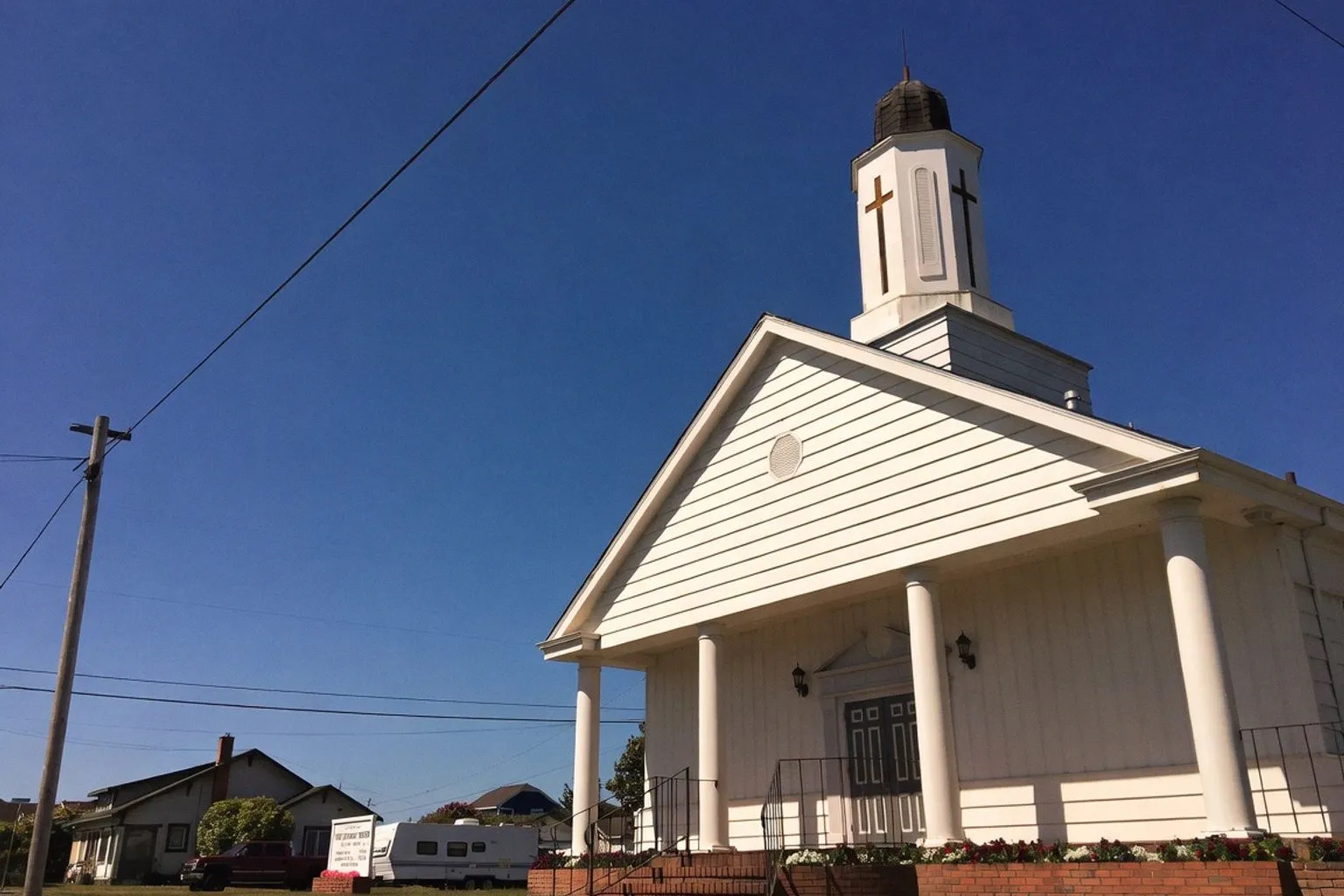
Equal Exchange's Three Decades of Faith-Based Partnership
The initiative centers on integrating fair trade products into church fellowship hours, fundraisers, and community bazaars — an arrangement that reframes ordinary coffee hour logistics as an expression of global stewardship.
The Scope of the Partnership
The organization's reach is institutional rather than abstract. Three decades of work have produced a documented relationship with over 10,000 faith communities, with Lutheran congregations forming a recognized segment alongside Presbyterian and ecumenical partners. The mechanism is consistent: small farmer cooperatives worldwide are connected to North American consumers through congregation-based purchasing channels.
For Lutheran parish leadership, the significance lies in the convergence between sacramental theology and economic practice. Fellowship hour is not peripheral to Sunday liturgy; it sustains the assembly gathered around Word and Sacrament. When that gathering is supplied through fair trade channels, the social-ethical implications of baptismal vocation find a concrete entry point.
A Framework for Evaluating the Proposal
Congregations considering the arrangement should assess it across four operational categories:
1. Provenance documentation. Verify the cooperative structure behind any product line. Fair trade certification alone is insufficient; the congregational buyer should be able to name the producing cooperative and region.
2. Liturgical-season alignment. Coffee and refreshments should serve the rhythm of the church year. Lenten fasting practices may require substitution patterns; the supply chain should accommodate these without disruption.
3. Financial transparency. Fundraisers and bazaars operate within budgetary constraints. The cost differential between fair trade and conventional products must be visible to the assembly, not absorbed silently into operating expenses.
4. Catechetical integration. The fellowship hour becomes a formation tool when paired with bulletin inserts or brief announcements that name the partner cooperatives. Stewardship formation occurs through repeated exposure, not periodic exhortation.
What Council and Stewardship Committees Should Monitor
The webinar series itself offers a low-commitment opportunity for governance bodies to evaluate the program's fit. Webinars permit participation without financial obligation — a useful first step for congregations still sorting outreach priorities. Those with existing global-mission partnerships may wish to coordinate messaging, ensuring fair trade purchases complement rather than compete with established international relationships.
The thirty-year framing also invites a precise audit question: what has the partnership produced for the cooperatives served? Lutheran ethics has long distinguished between beneficence and justice; the former almsgiving, the latter requiring structural change. A three-decade program warrants precisely that level of scrutiny. Pastors and council members preparing to engage the webinars should arrive with measurable expectations rather than general enthusiasm.