A Century of Faith: Reflecting on 100 Years of LCMS Hispanic Ministry
The Lutheran Church—Missouri Synod marked a century of organized Hispanic ministry this summer, according to LCMS Reporter, with the eighth triennial National Hispanic Convention convening July 28–31…
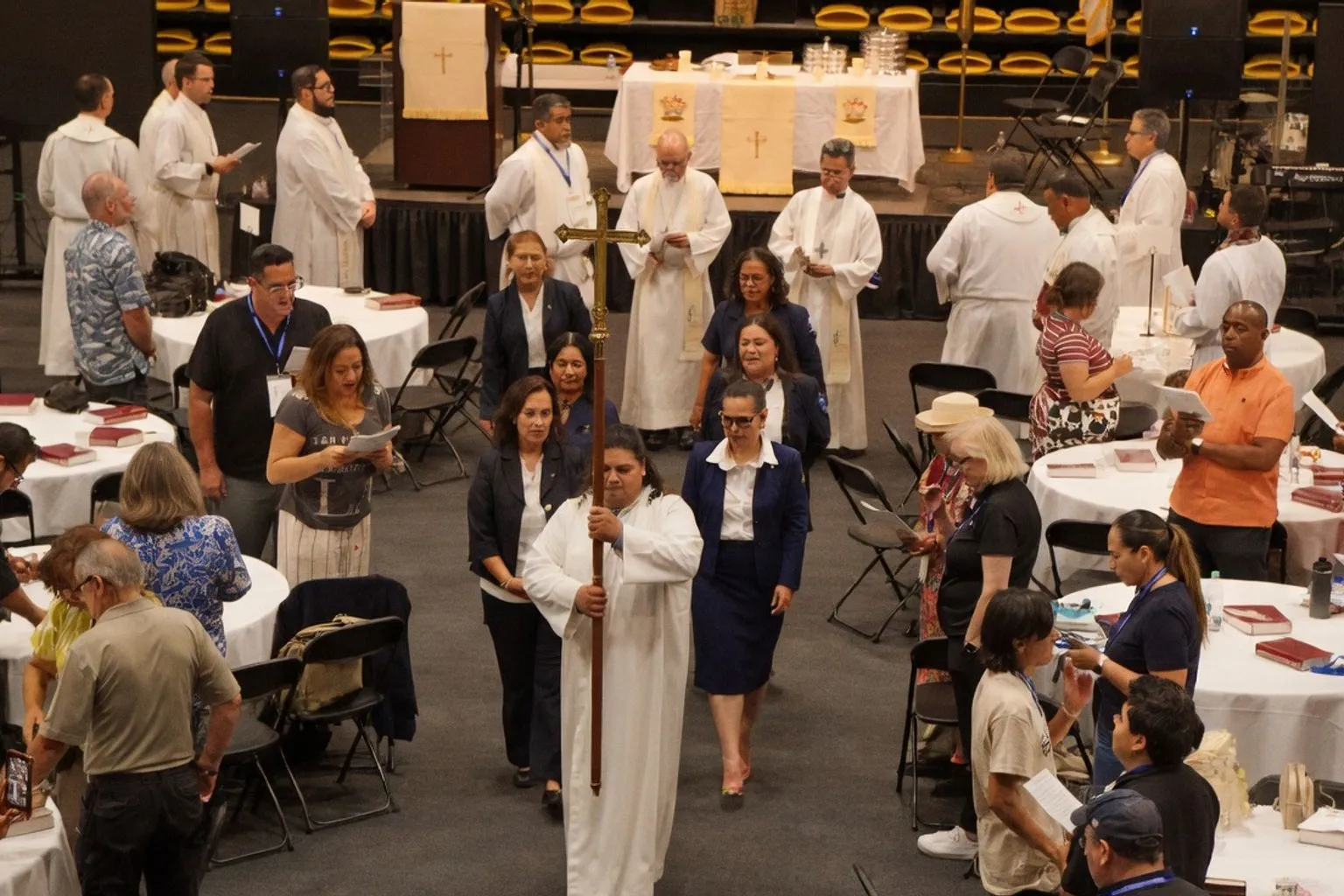
The Lutheran Church—Missouri Synod marked a century of organized Hispanic ministry this summer, according to LCMS Reporter, with the eighth triennial National Hispanic Convention convening July 28–31 at Concordia University Irvine under the theme "100 Years — CelebraZion."
The Centennial Framework
The convention's organizing principle, "CelebraZion," was constructed by merging the Spanish verb "celebra" with "Zion," anchoring the centenary in Psalm 145:4: "One generation shall commend Your works to another, and shall declare Your mighty acts." This framing dovetails with the LCMS mission emphasis adopted at the 2026 synod convention and the National Offering theme, both centered on the directive to "Tell the Next Generation."
Approximately 250 attendees gathered across four days on the CUI campus. Proceedings were conducted in Spanish with English interpretation, and printed materials appeared in both languages — a structural choice that treated bilingual access as the baseline of operation rather than an accommodation. Speaking to the convention on July 28, LCMS President Matthew Harrison (via Rev. Galchutt's address as recorded in the Reporter's coverage) underscored the transmission of faith across generations, thanking those laboring in Hispanic ministry "often in difficult and challenging circumstances, all across the United States and beyond."
Leadership transitions accompanied the centenary. The Rev. Rodrigo Fernandez was elected president of the National Hispanic Convention, succeeding the Rev. Stephen Heimer, who continues in his role as manager of LCMS All Nations Ministry.
Practical Implications for Congregations
For congregations engaged in or evaluating Hispanic ministry, three structural elements from the convention bear attention:
1. Bilingual architecture as standard practice. Simultaneous interpretation and dual-language printed materials functioned as the default, not the exception. Congregations planning multiethnic or bilingual services can treat this rubric — Spanish-first proceedings with English support — as a template rather than an add-on.
2. A 1926 institutional baseline. The LCMS traditionally dates organized Hispanic ministry to mission work in San Antonio, Texas, in 1926, with earlier efforts noted in Illinois that did not endure, reportedly because the population served relocated for economic opportunities. Heimer, in remarks to LCMS Reporter, framed the structural challenge this way: "The challenges of establishing congregations 100 years ago among Hispanic immigrant communities are still present today. People join LCMS churches but may move to other areas of the country for reasons of work and family." The convention therefore treated transience — not as a failure of mission — but as a recurring variable requiring networked response.
3. Connection as a measurable output. Heimer further observed that attendees expressed surprise and relief at discovering they were not laboring in isolation. The convention demonstrated, in his assessment, that LCMS Spanish-language ministry is neither nascent nor peripheral but established and ongoing. For congregations considering formal affiliation with LCMS structures, the existence of this triennial gathering functions as evidence of institutional capacity rather than aspiration.
What to Watch
The election of Fernandez marks a leadership transition congregations connected to All Nations Ministry will track through subsequent triennial cycles. The "Tell the Next Generation" emphasis adopted at the 2026 convention will shape LCMS-wide programming and giving appeals over the next triennium, providing a framework against which local Hispanic ministry initiatives — worship planning, catechetical resources, and outreach — can be measured and reported. Congregations preparing for bilingual or Hispanic-focused ministry in the coming year would do well to inventory available LCMS Spanish-language resources now, rather than at the point of need.