New Spirit Lutheran Church Announces Opening for Worship and Music Leader
According to the Grand Canyon Synod of the ELCA, New Spirit Lutheran Church in Tucson is seeking a Minister of Worship & Music.
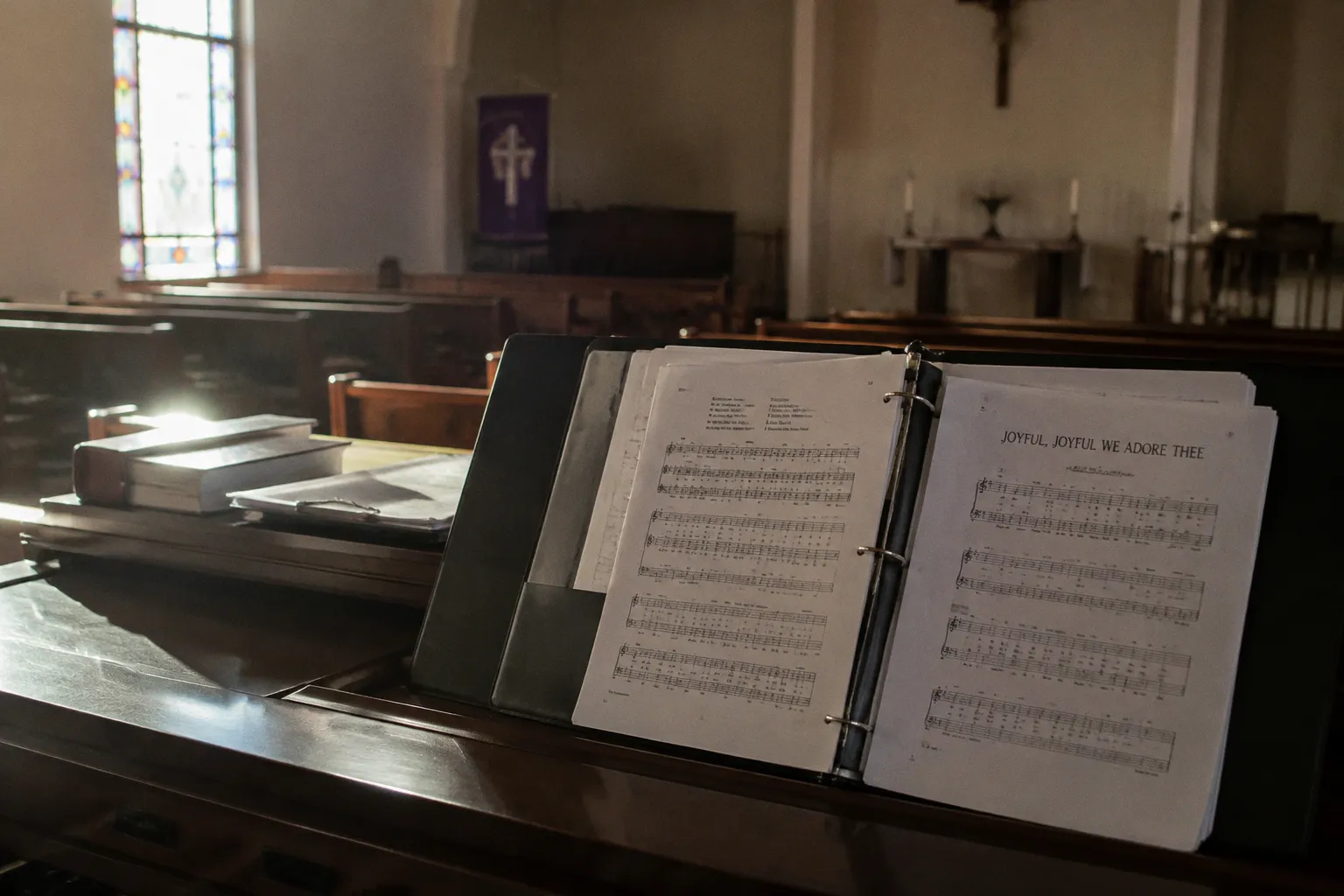
The listing identifies the opening as a congregation-level worship and music position, making it relevant to the practical administration of Lutheran worship, volunteer leadership, and congregational musical life. The available source material does not provide enough confirmed detail to establish the position’s schedule, compensation, responsibilities, or application requirements.
What the announcement establishes
The central issue is not a general discussion of worship music, but a staffing need at New Spirit Lutheran in Tucson. The congregation is seeking a person whose work would be connected with both worship and music, although the available evidence does not specify whether the role is full-time, part-time, lay, ordained, or otherwise structured.
That distinction matters within Lutheran church operations. A title combining worship and music may encompass several different frameworks: musical direction, liturgical planning, rehearsal administration, volunteer coordination, or broader ministry development. None of those functions should be attributed to this particular position without the complete posting.
The announcement is presented by the Grand Canyon Synod of the ELCA. That identifies the ecclesial setting of the listing, but it does not, by itself, establish the terms of employment or the congregation’s expectations for the successful candidate.
What worship leaders should verify
For musicians, pastoral staff, and congregational councils assessing a similar opening, the next step is to obtain the full position description rather than relying on the title alone. At minimum, the following categories require confirmation:
1. Liturgical scope: whether the minister is expected to plan worship, select music, lead congregational singing, or execute an existing rubric.
2. Musical scope: whether the work involves vocal leadership, instrumental performance, choir direction, contemporary music, traditional Lutheran repertoire, or a defined combination.
3. Administrative authority: whether the position supervises volunteers, directs rehearsals, manages a worship team, or collaborates with the pastor and other staff.
4. Employment framework: expected hours, compensation, reporting structure, and whether the post is classified as lay ministry or ordained service.
5. Application evidence: résumé requirements, references, recordings, statements of theology, or demonstrations of congregational leadership.
These are not minor procedural details. They determine whether the role is primarily operational, pastoral, musical, educational, or a composite position requiring several forms of stewardship. They also determine whether a candidate’s experience matches the congregation’s actual needs.
Why the listing warrants attention
A Minister of Worship & Music can occupy an important point of coordination between liturgical theology and weekly implementation. Worship planning depends not only on musical competence, but also on the relationship between the congregation’s theological identity, its liturgical rubric, its volunteer capacity, and the resources available to sustain regular services.
However, the present evidence supports only a limited conclusion: New Spirit Lutheran in Tucson has announced that it is seeking such a minister. Readers should treat all further questions—especially the nature of the ministry, the required qualifications, and the application process—as items for verification in the full listing.
For candidates, the appropriate action is to locate the complete announcement through the Grand Canyon Synod of the ELCA or New Spirit Lutheran and review the position’s formal requirements before preparing an application. For congregational leaders, the posting is a reminder that the title of a worship position must be matched by a clearly defined framework of responsibility, authority, and theological purpose.