Integrating a Theology of Healing into Lutheran Pastoral Care and Worship
According to OSV News, Franciscan University of Steubenville convened its sixth annual Truth of Love Conference Sept.
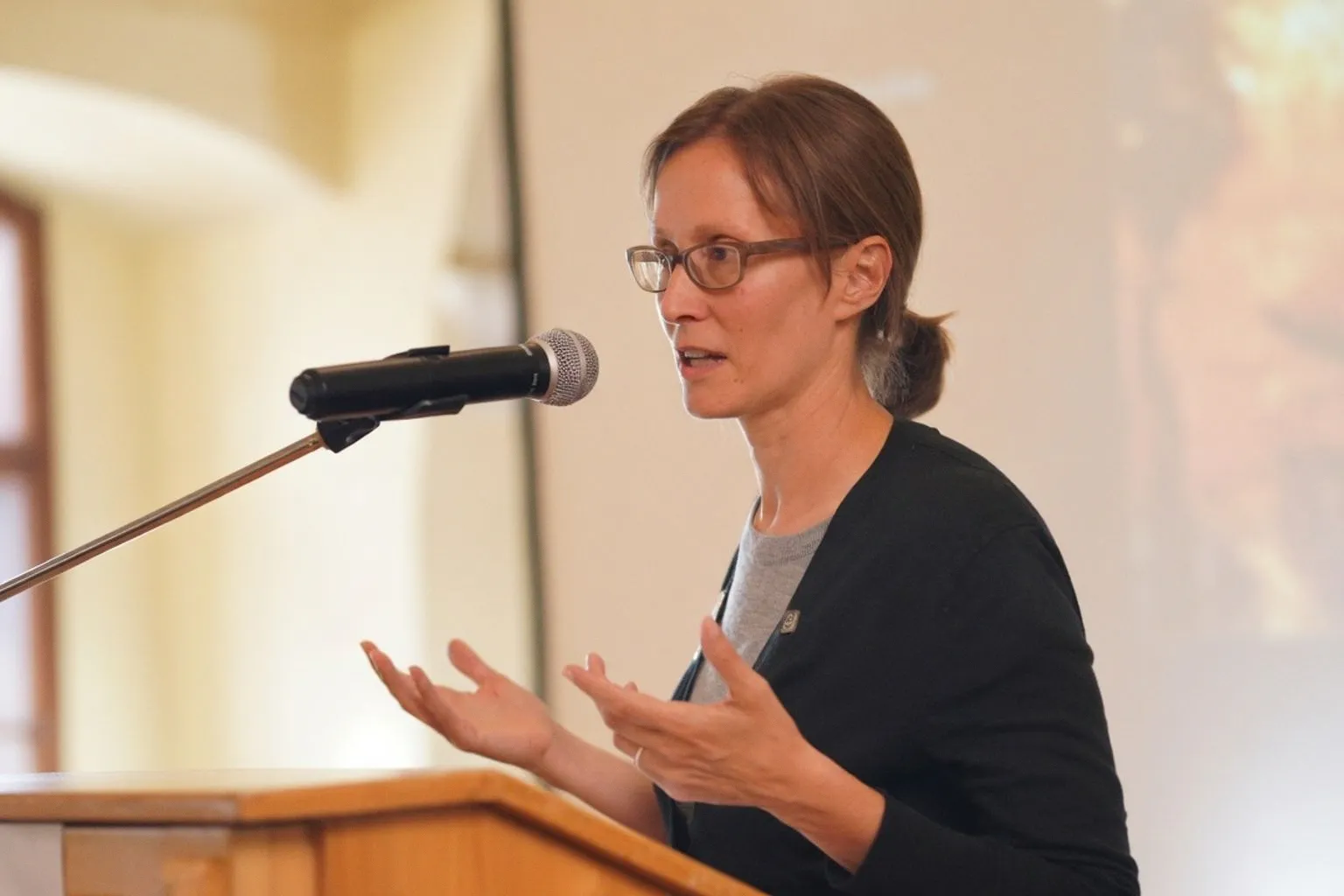
4–6 under the title "Toward a Theology of Healing." The gathering, organized by theology and medical ethics professor Katharina Westerhorstmann, brought Catholic educators to the Kartause Maria Thronus Iesu in Gaming, Austria, to map the meaning of Christian healing across Scripture, sacramental tradition, and contemporary pastoral practice. For Lutheran worship planners, the framework functions as a comparative reference point — not a directive text — for auditing local healing ministry.
The Categorical Structure Proposed
The conference organized healing along four intersecting axes: human mortality, isolation and loneliness, the trauma of sexual abuse, and the vulnerability of faith formation. Provost Stephen Hildebrand described the governing paradox — that in Christian theology, the wounded are healed through further wounding — as the structural backbone of the entire program. Associate professor Hannah Barrett cited Benedict XVI's framing of Christianity as a "therapeutic religion," in which the whole shape of Christian life constitutes a path of healing.
For Lutheran application, this maps onto existing theological categories without modification. The Formula of Concord's treatment of sin as a wound requiring the cure of absolution provides a parallel scaffold. A theologian or worship planner should test whether the four axes presented at the conference correspond to identifiable entry points in the congregation's pastoral contact: hospital visits, bereavement ministry, reconciliation services, and recovery support groups.
Liturgical Architecture as a Model
The conference schedule integrated academic lectures with Mass, adoration, and vespers — binding theological reflection directly to the rhythms of communal prayer. Westerhorstmann noted that the program was designed to present healing "as a pathway for the future," rooted in tradition rather than improvised for contemporary need.
A Lutheran congregation examining the same concern should inventory the existing liturgical calendar against three checkpoints:
1. Does the Daily Office structure provide explicit space for intercession on behalf of the wounded?
2. Are anointing services or healing services scheduled in proximity to Lenten confession and Easter proclamation, so that the theology of the cross frames the practice of healing?
3. Does the liturgy of corporate confession treat isolation as a theological category, or only as a sociological concern?
Where the answer is no at any checkpoint, the gap is itself a planning priority.
Operational Sequence for the Local Congregation
A Lutheran parish that wishes to treat healing theologically rather than anecdotally can proceed through the following sequence. First, identify all current healing-adjacent ministries and assign each one to one of the four axes cited above. Second, review the hymnal and lectionary selections across one liturgical year to verify whether texts addressing woundedness appear with measurable frequency. Third, commission a single teaching event per year — a forum, a retreat, or a catechetical series — that binds the medical, the spiritual, and the communal dimensions of healing to the means of grace.
The Franciscan conference demonstrates that healing requires a sustained framework, not a one-off sermon. The stewardship of that framework falls to the local congregation, and the planning cycle is the instrument by which it is exercised.